Aldersgate House, City of London
2024-26
232
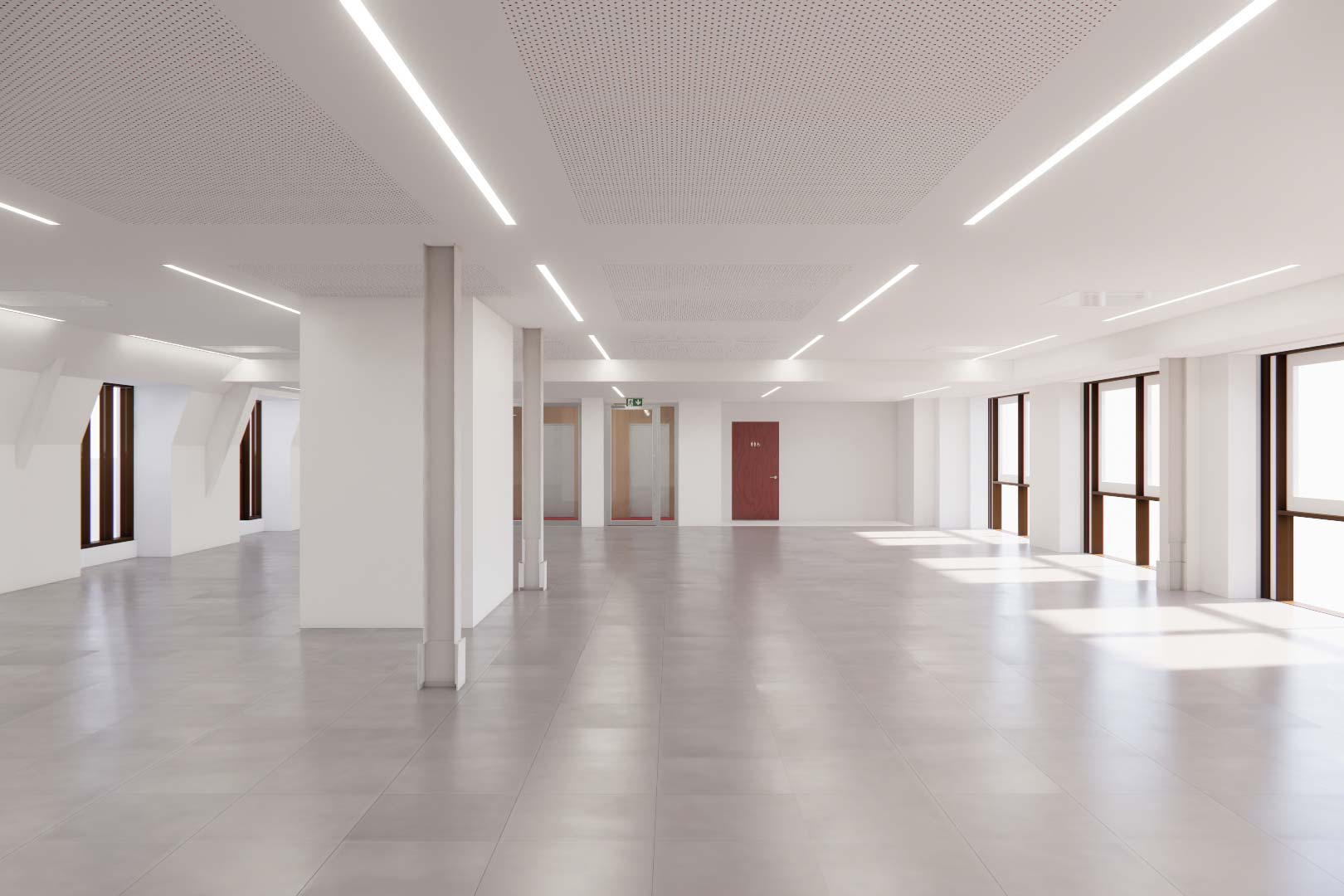
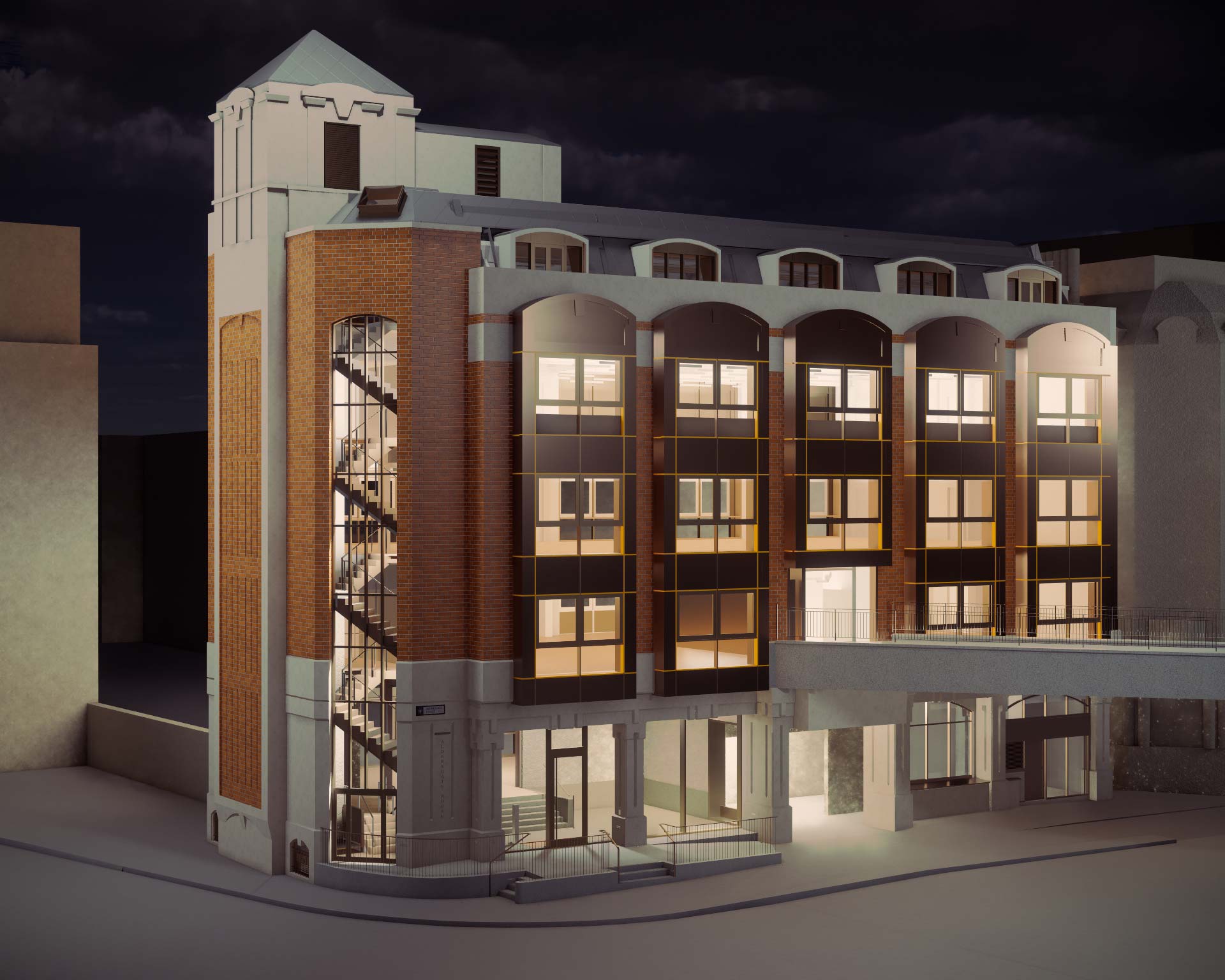
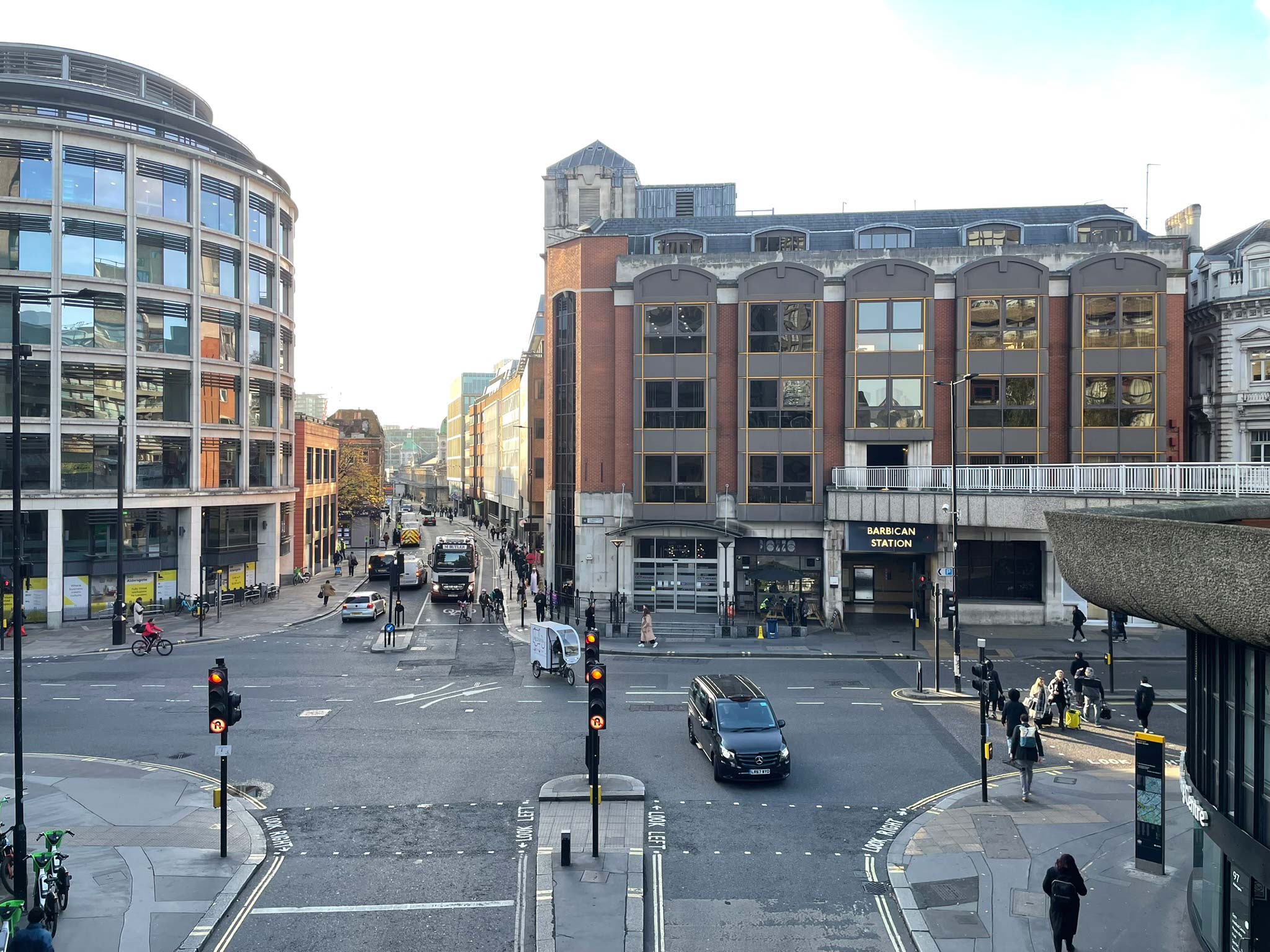
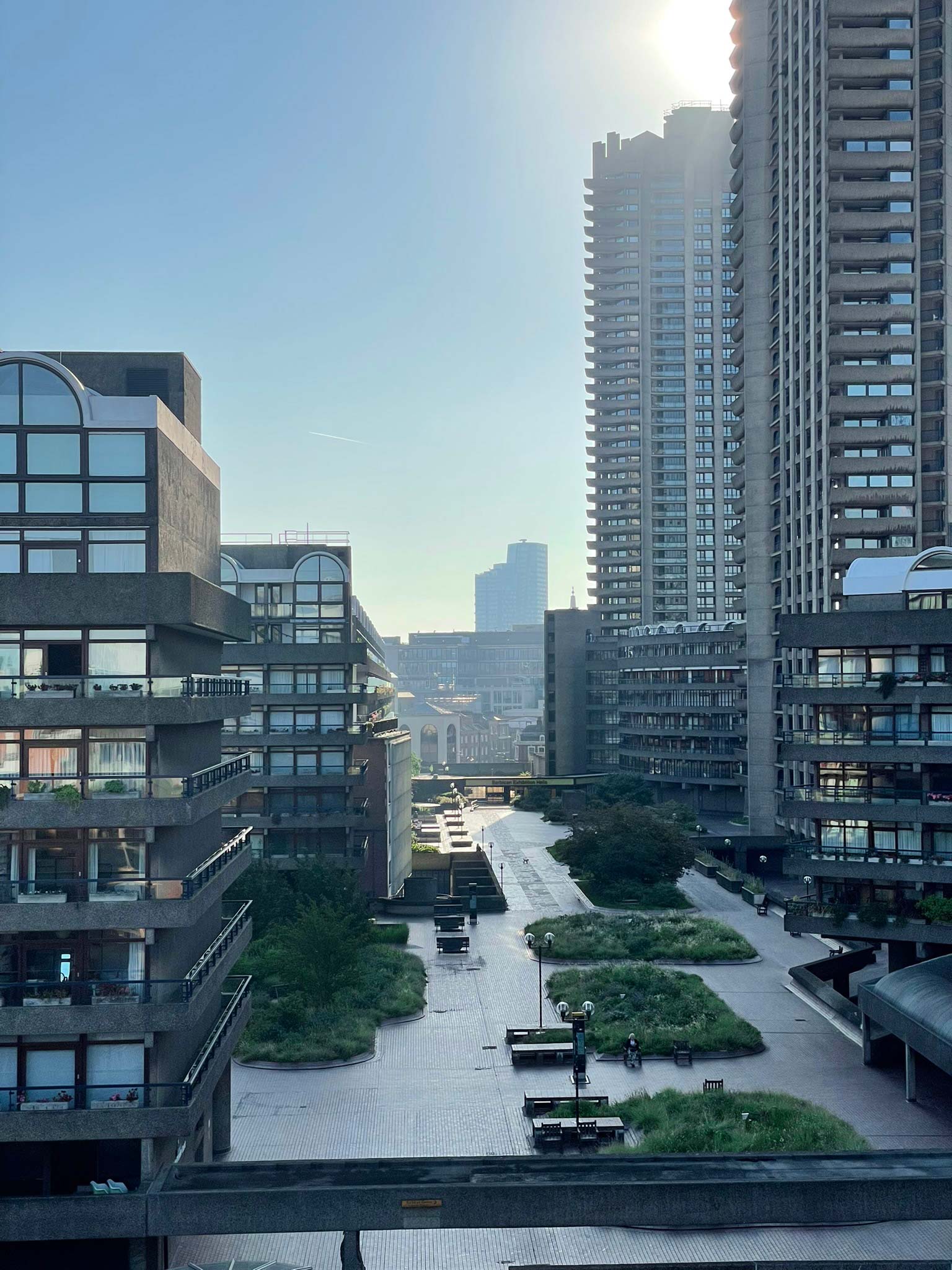
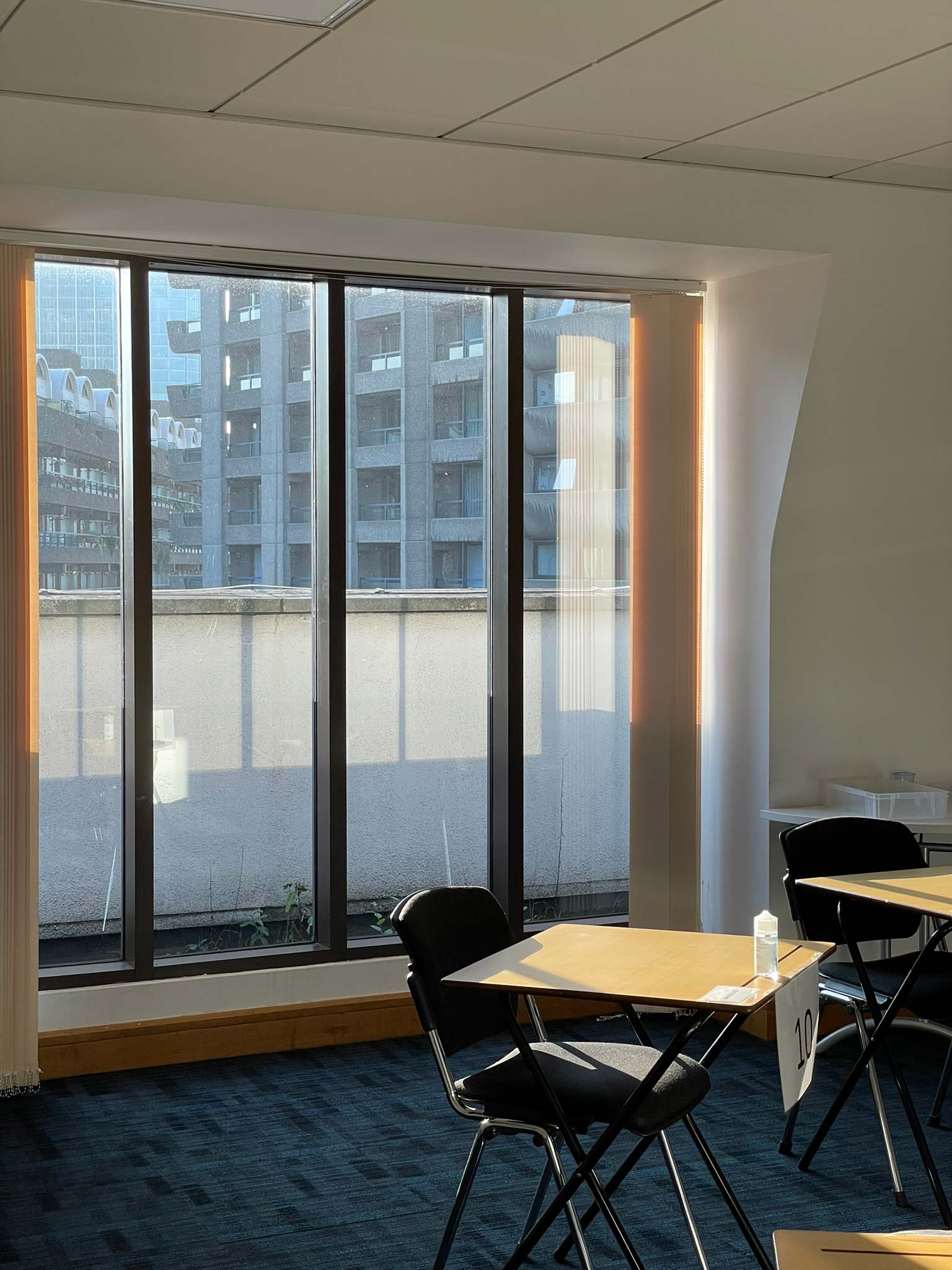
This comprehensive retrofit transforms a tired late-1980s office building directly above Barbican Tube Station into a boutique workplace that capitalises on its exceptional dual-aspect views and transport connections. The design strips away decades of accumulated clutter to reveal the building's robust steel structure, creating generous ceiling heights and visual clarity across the floor plates.
More text
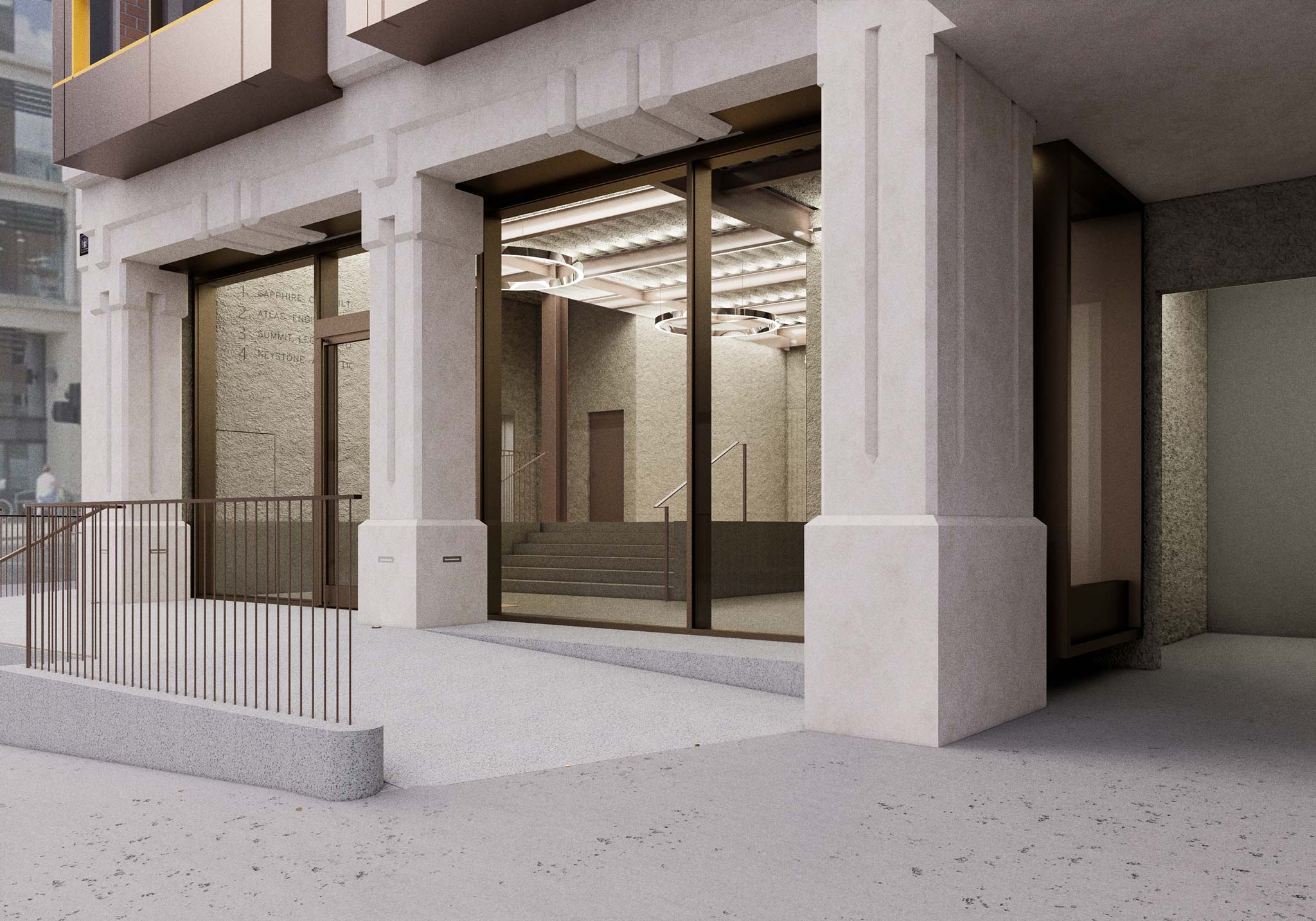
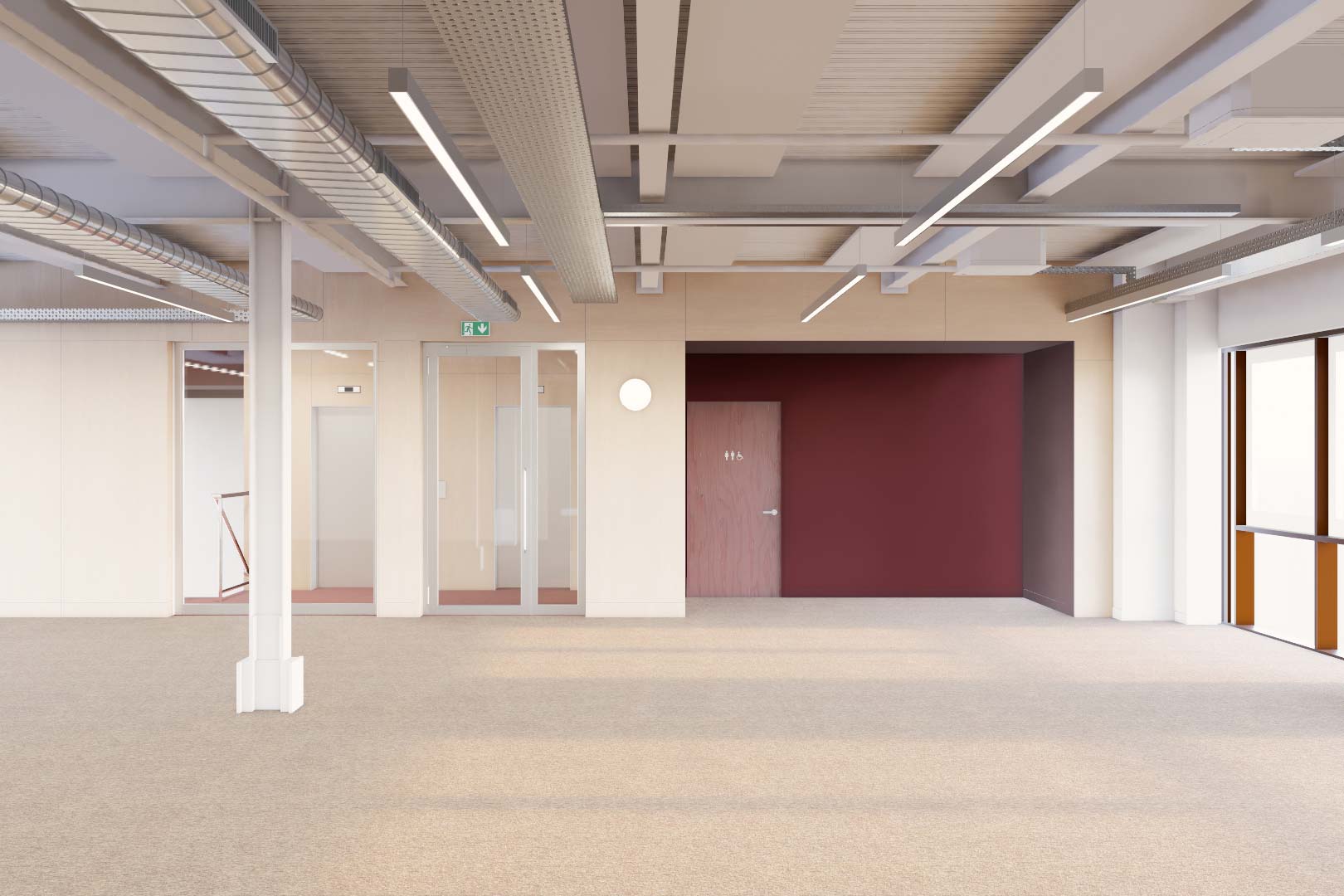
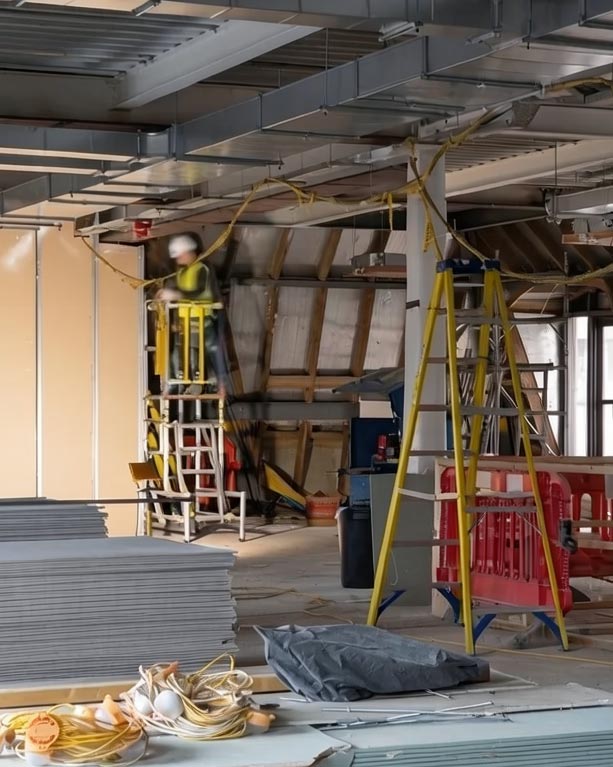
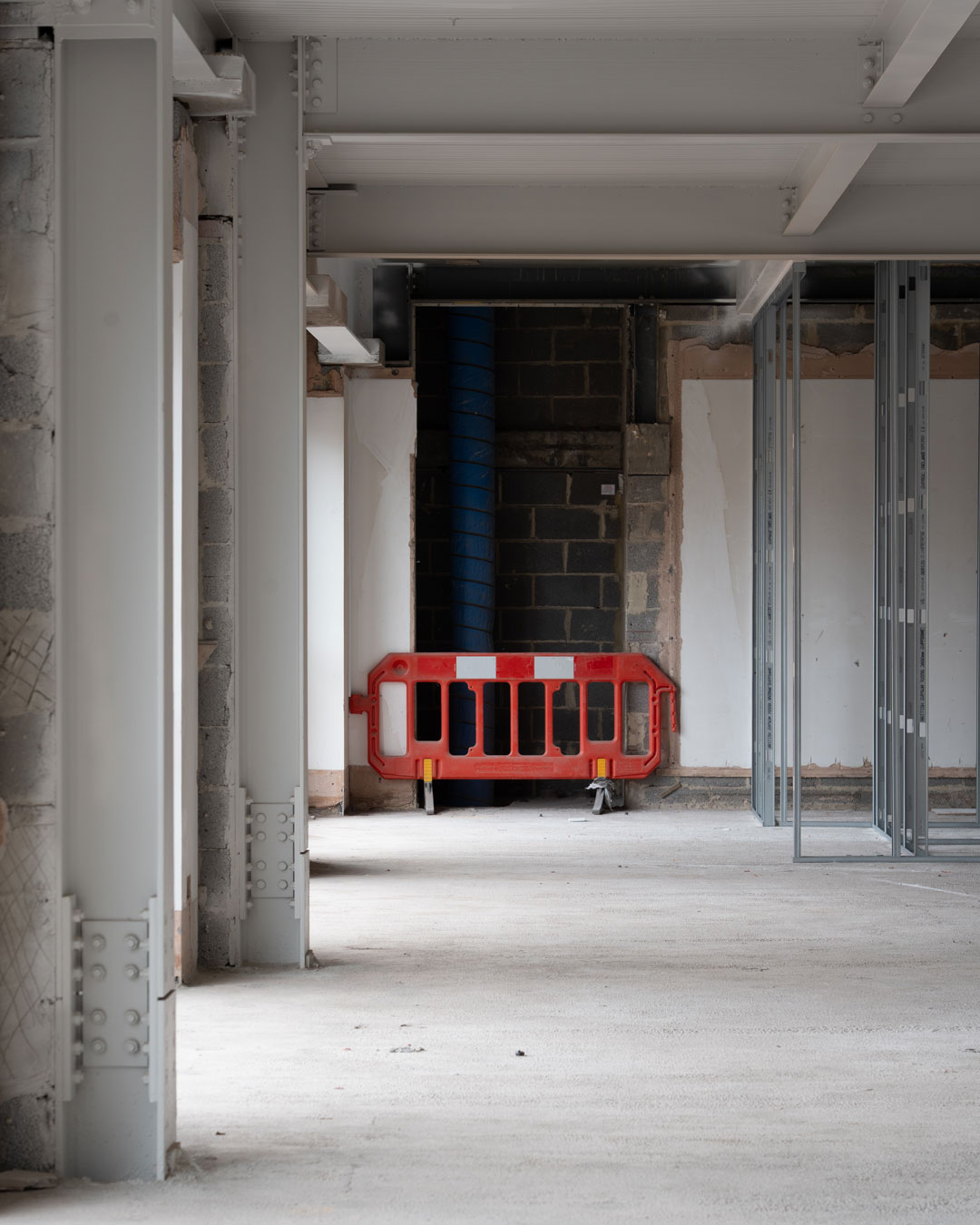
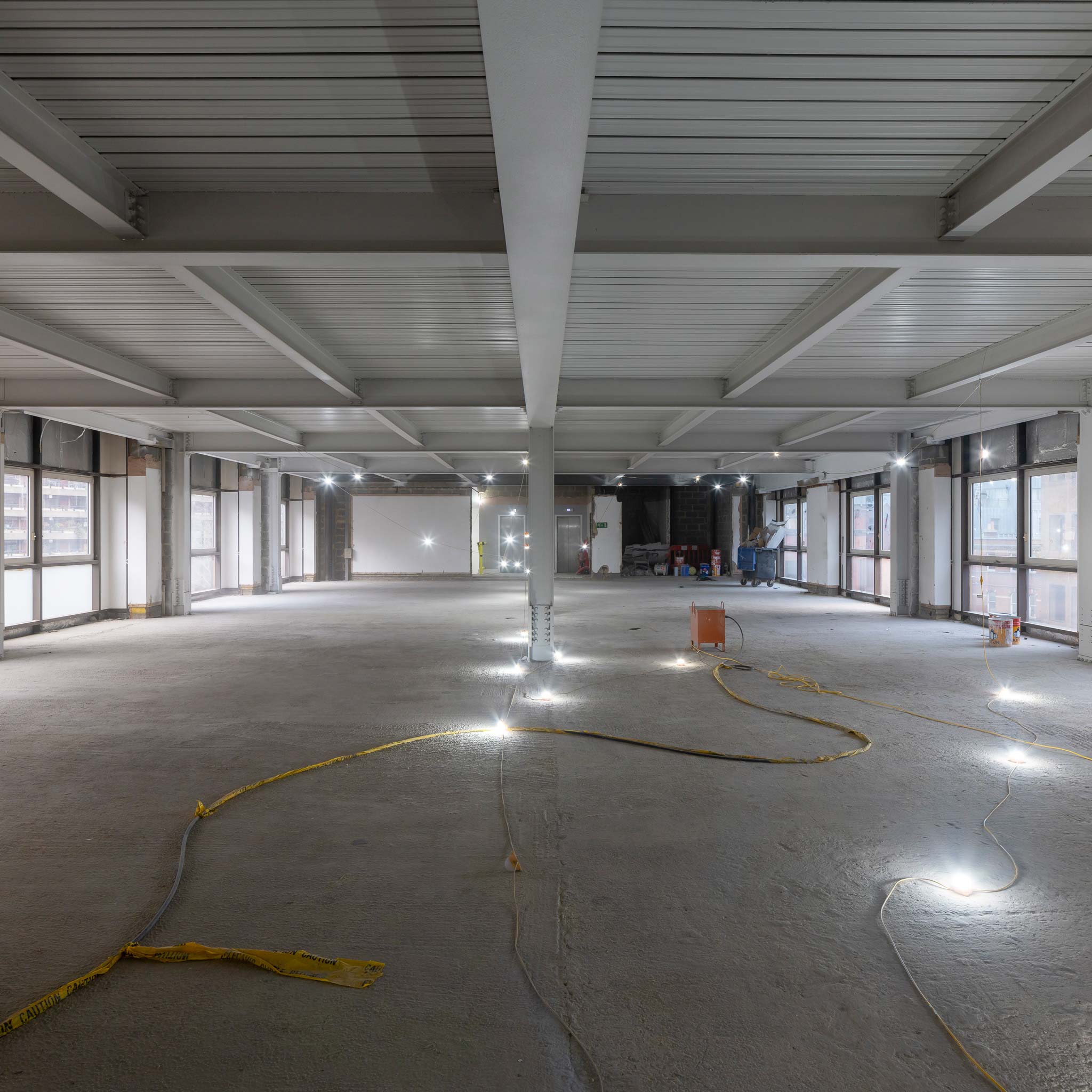
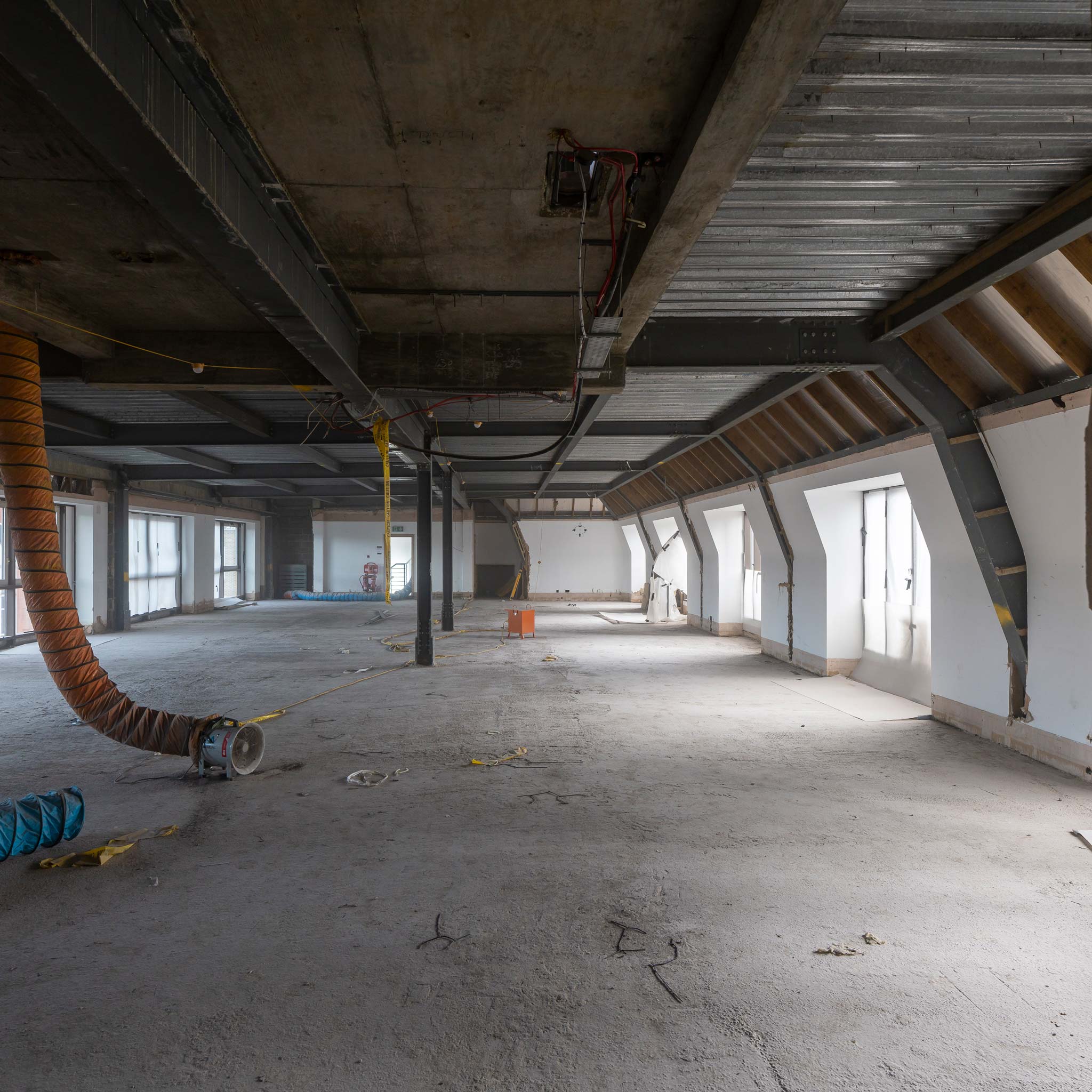
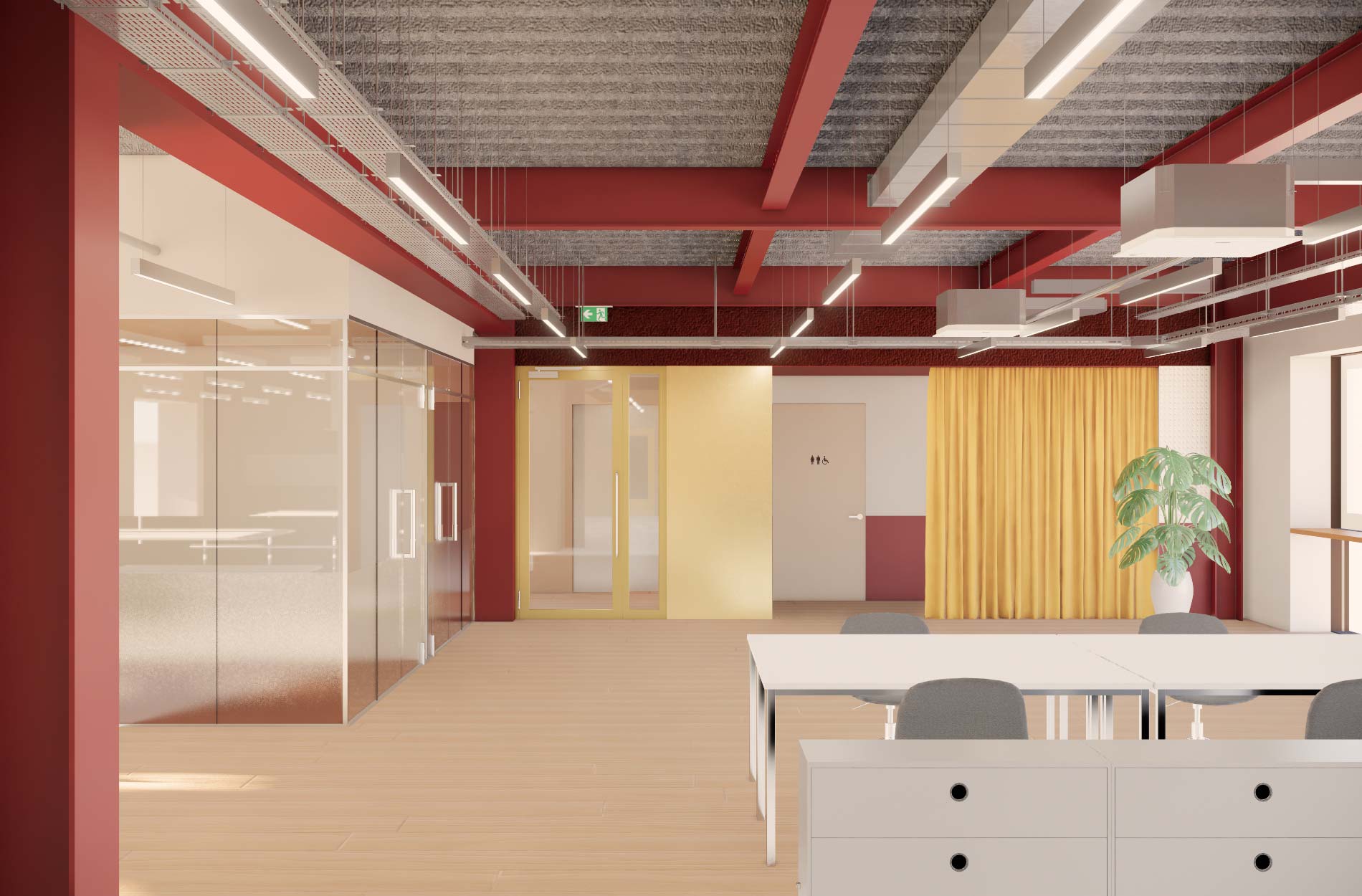
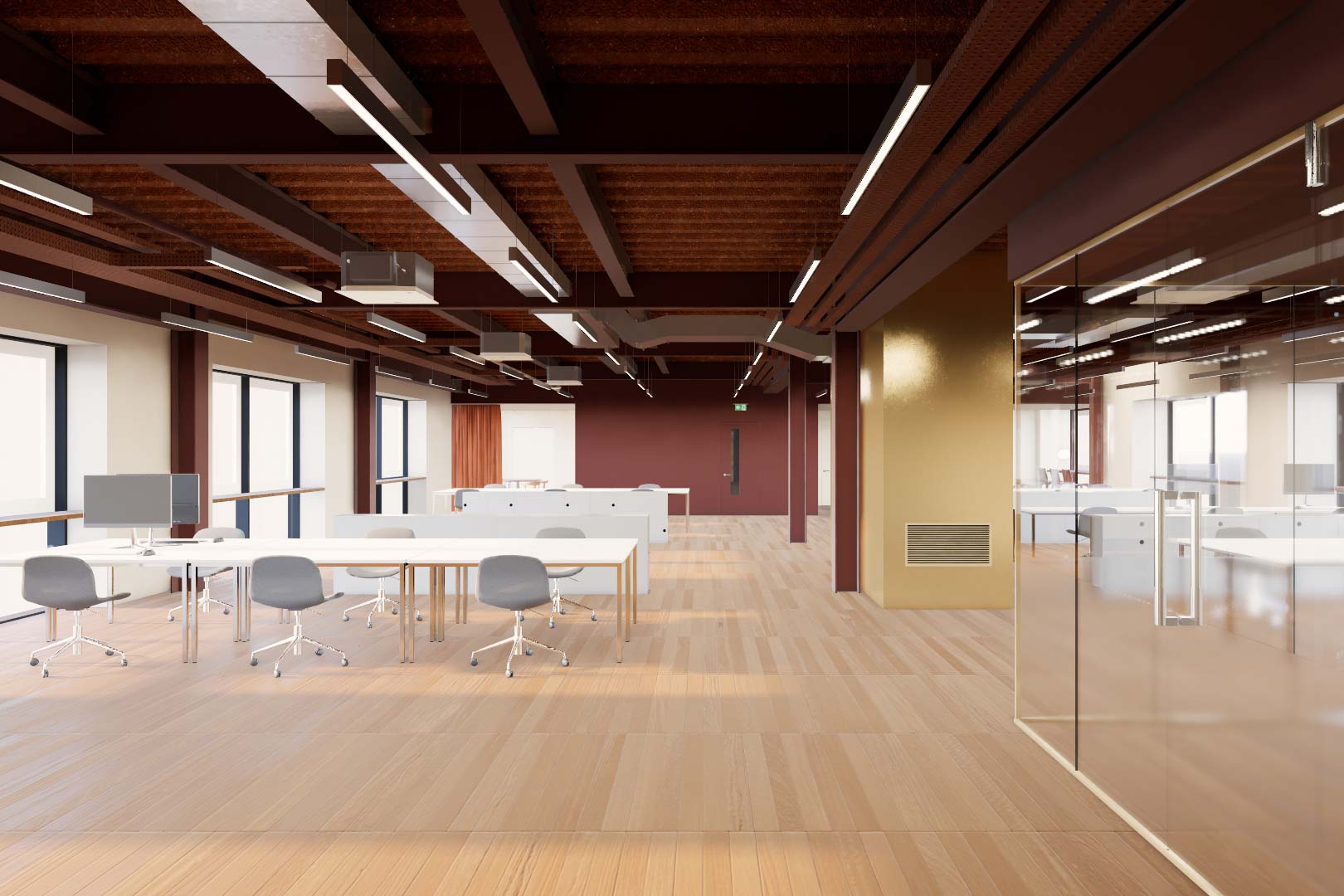
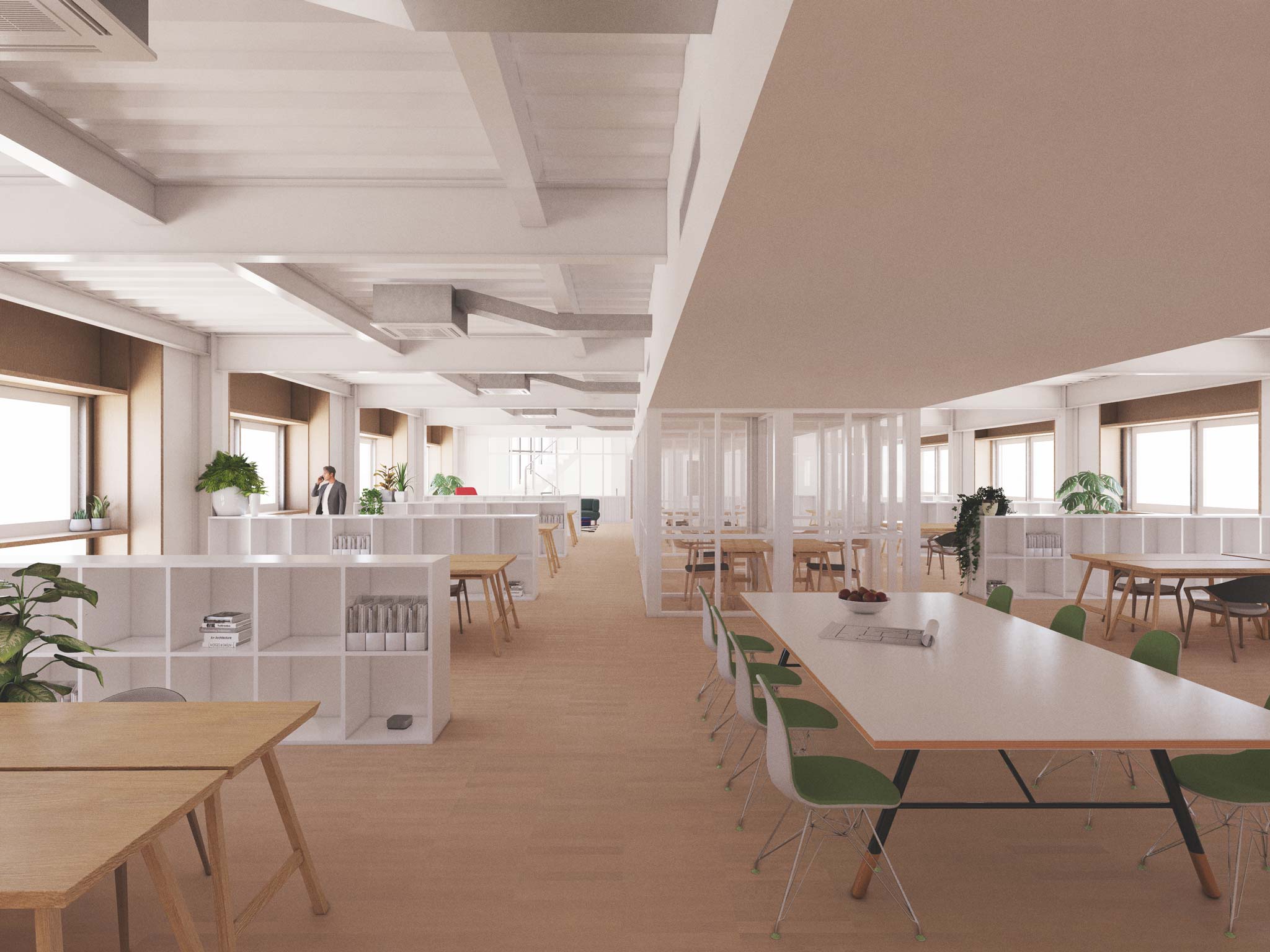
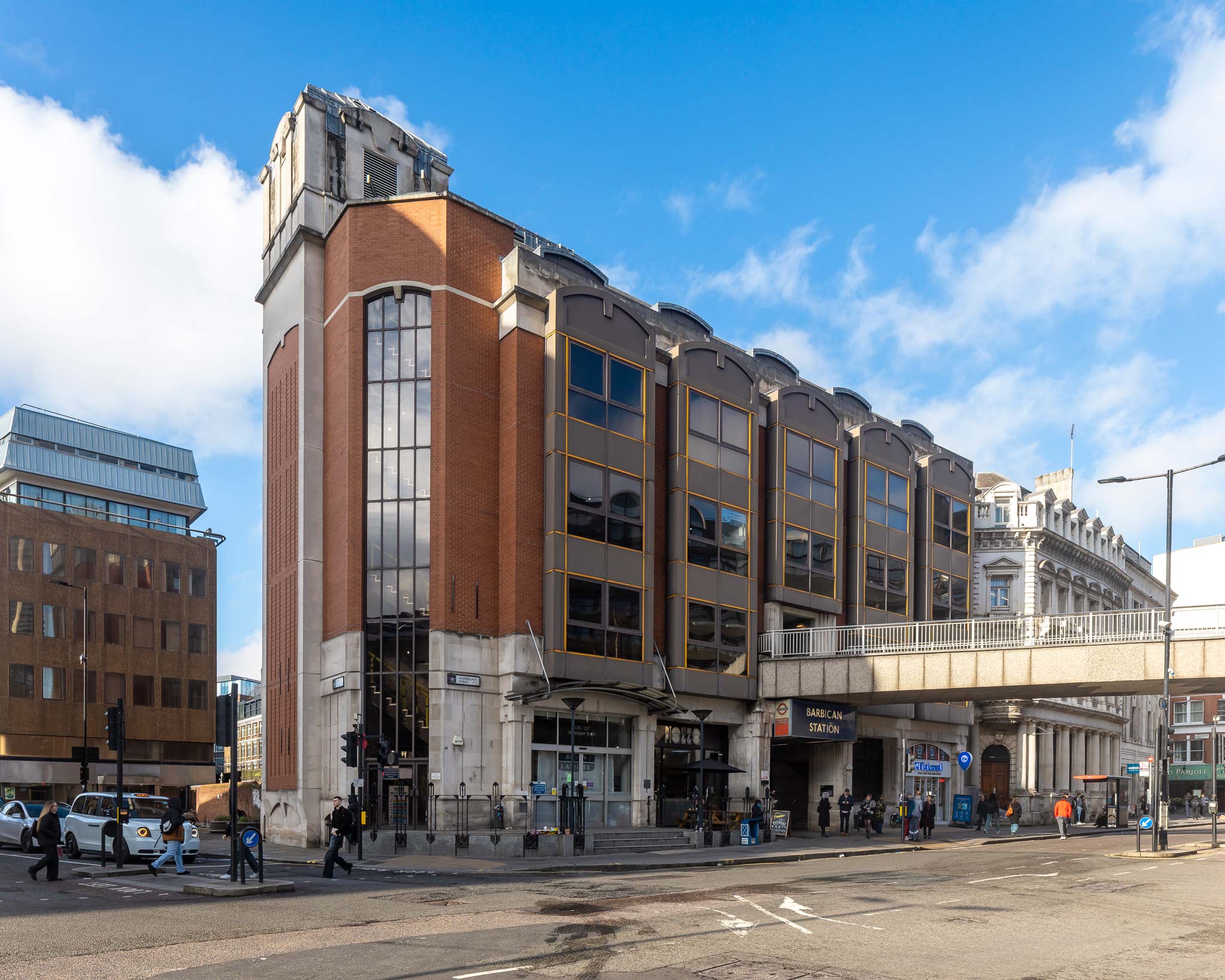
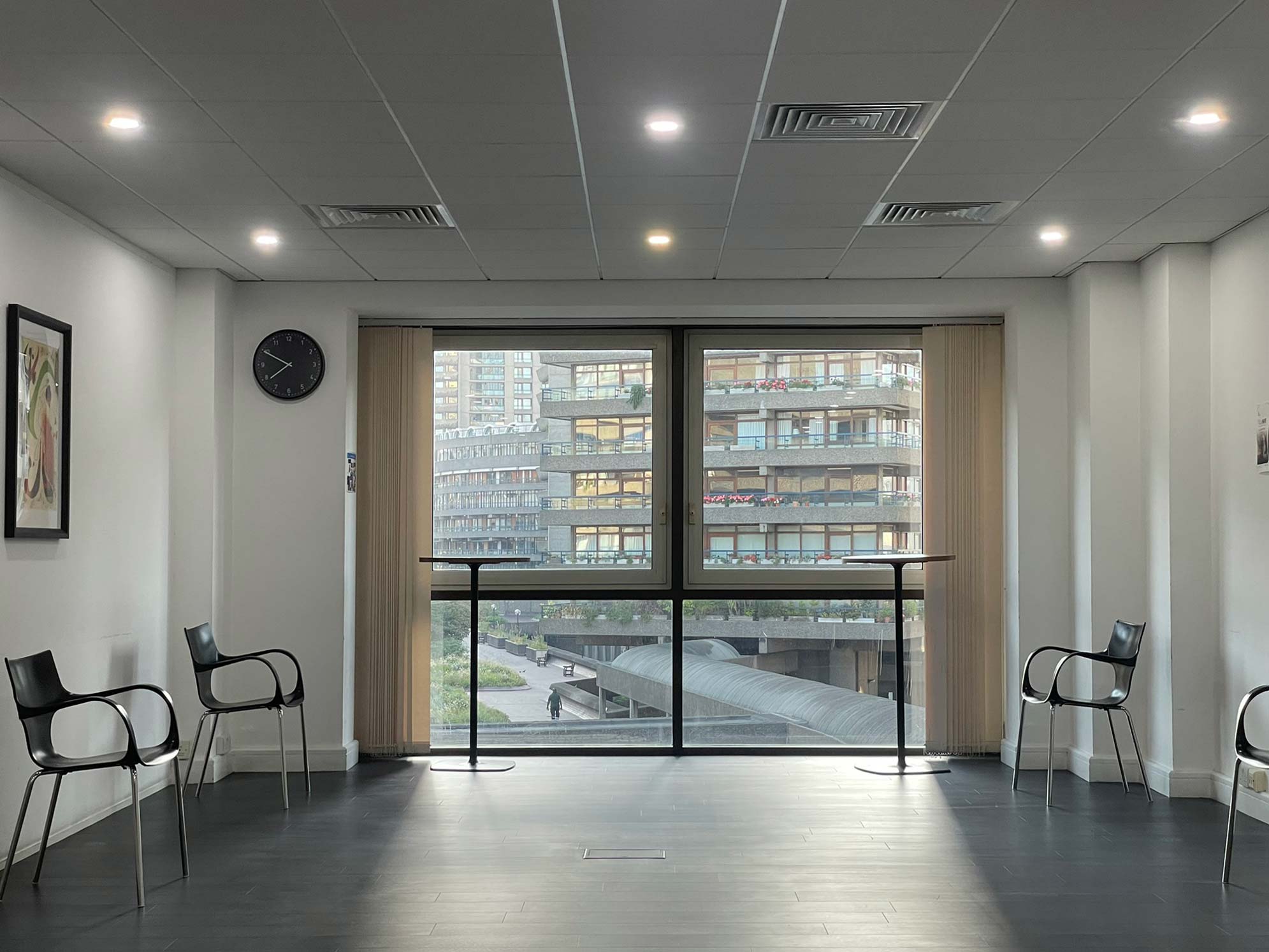
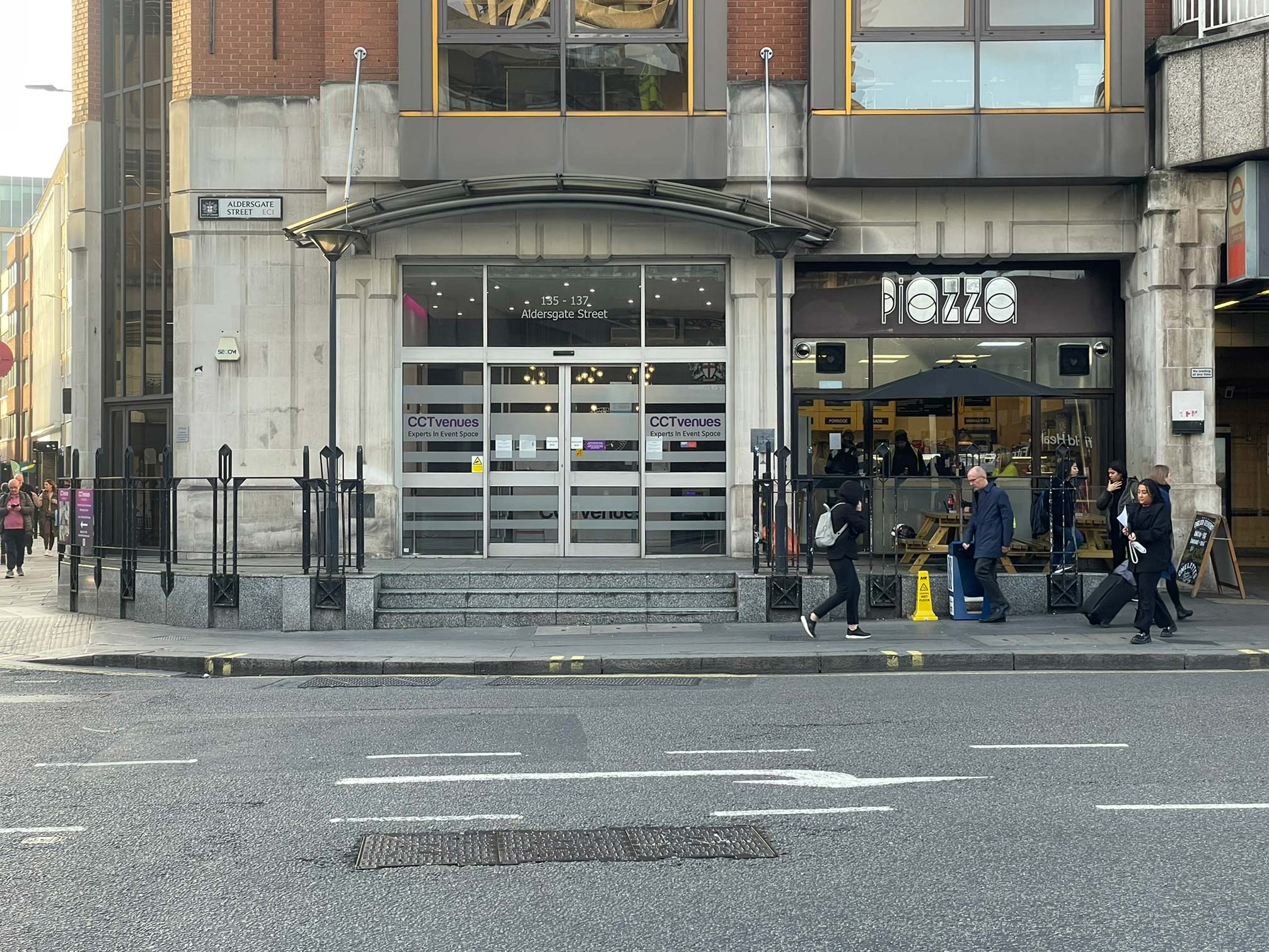
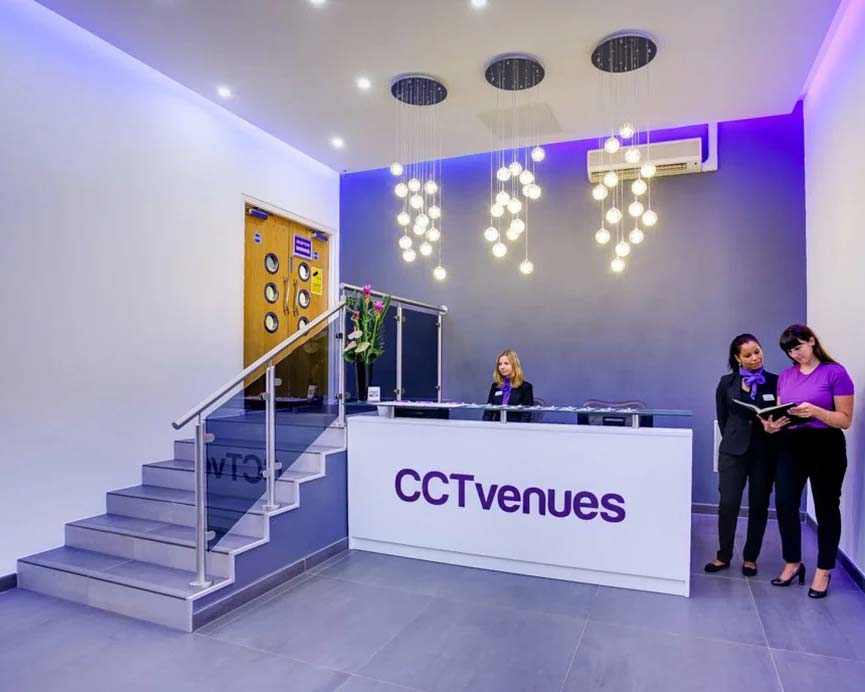
Removing suspended ceilings exposes the existing structural steelwork and increases the height of the spaces by 20%, turning what were low, compartmentalised floors into open volumes filled with natural light. The entrance sequence is completely reimagined: doubling the width of the foyer by incorporating an adjacent retail bay and removing the cluttered external canopy creates a transparent, welcoming arrival that engages directly with the street and Barbican high-walks.
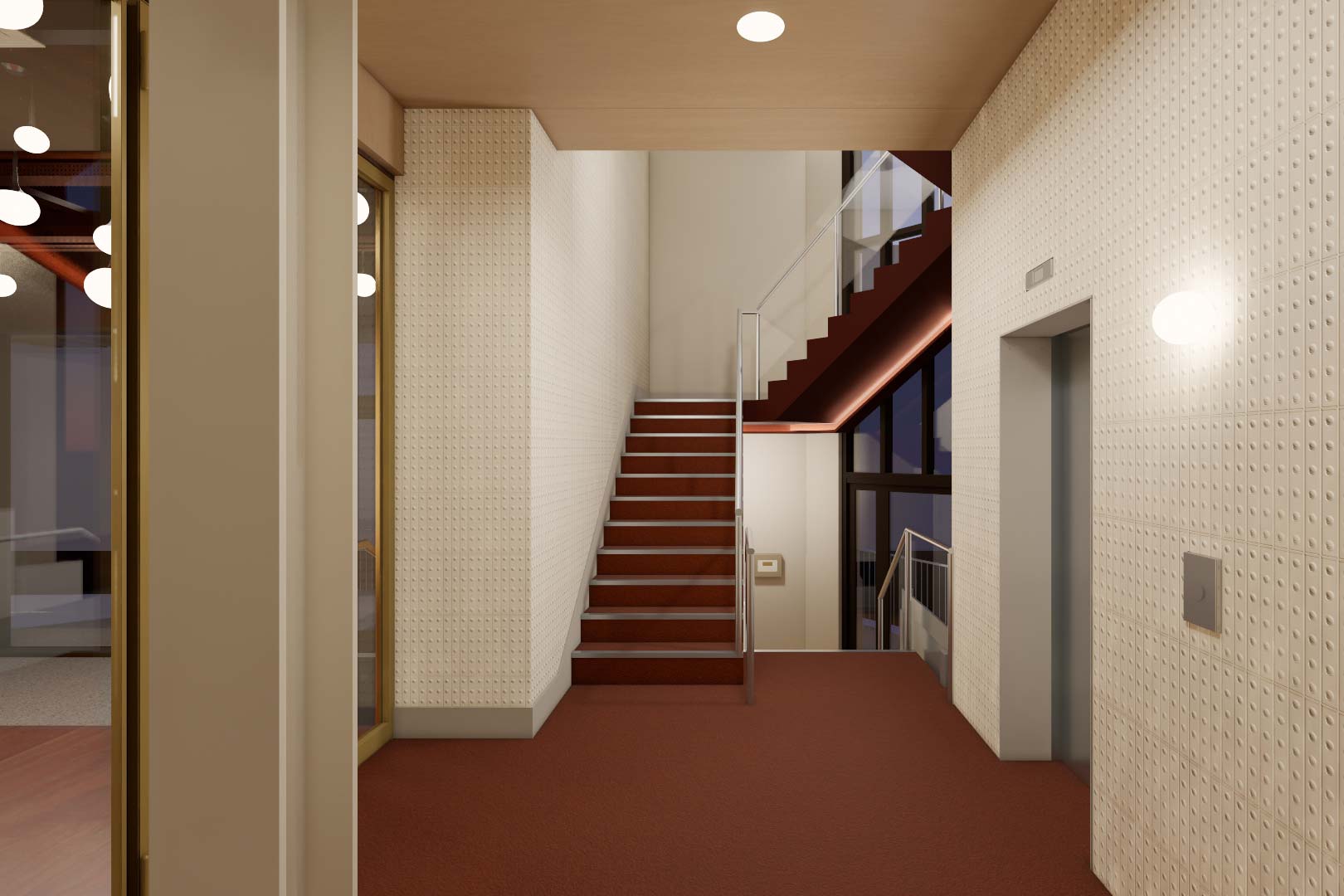
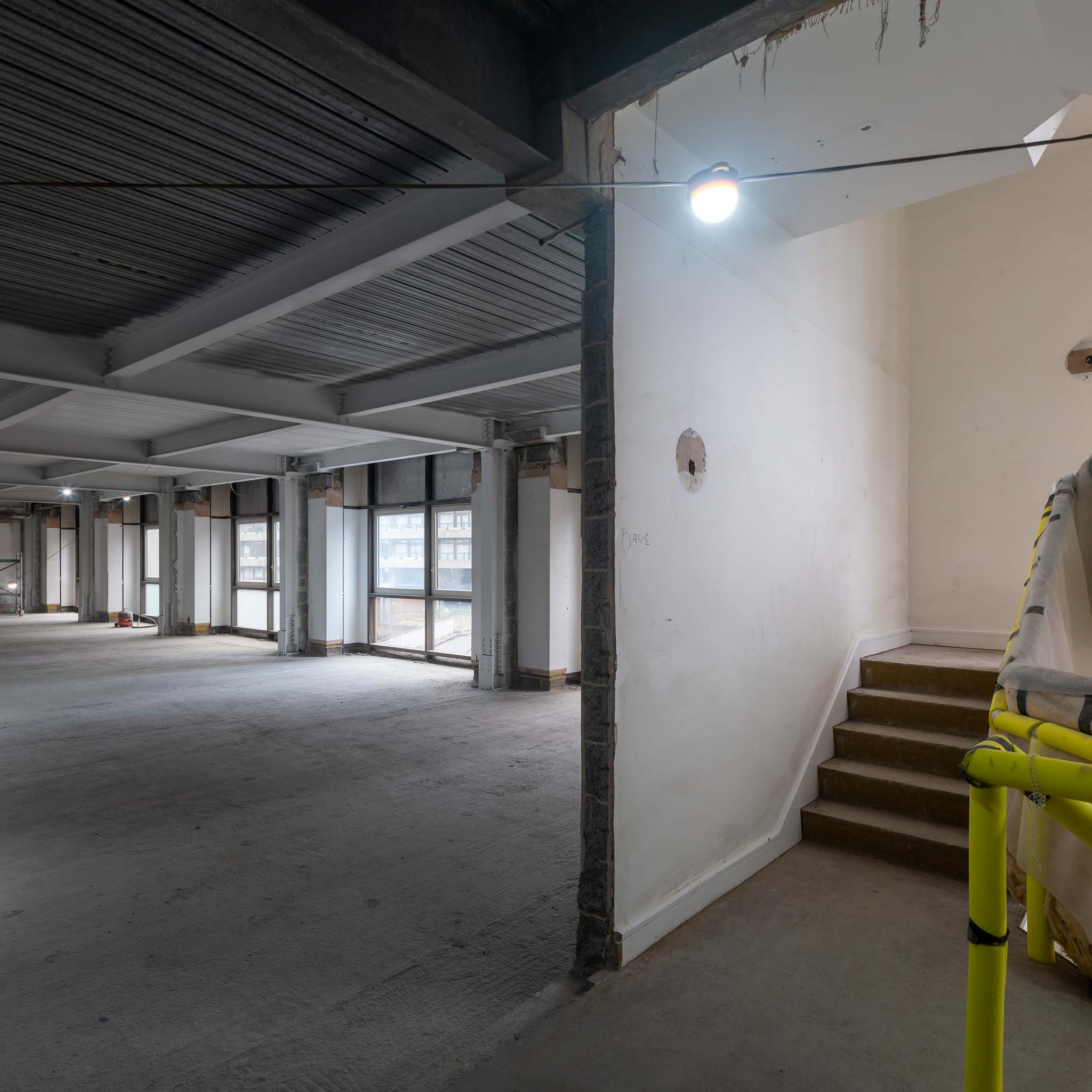
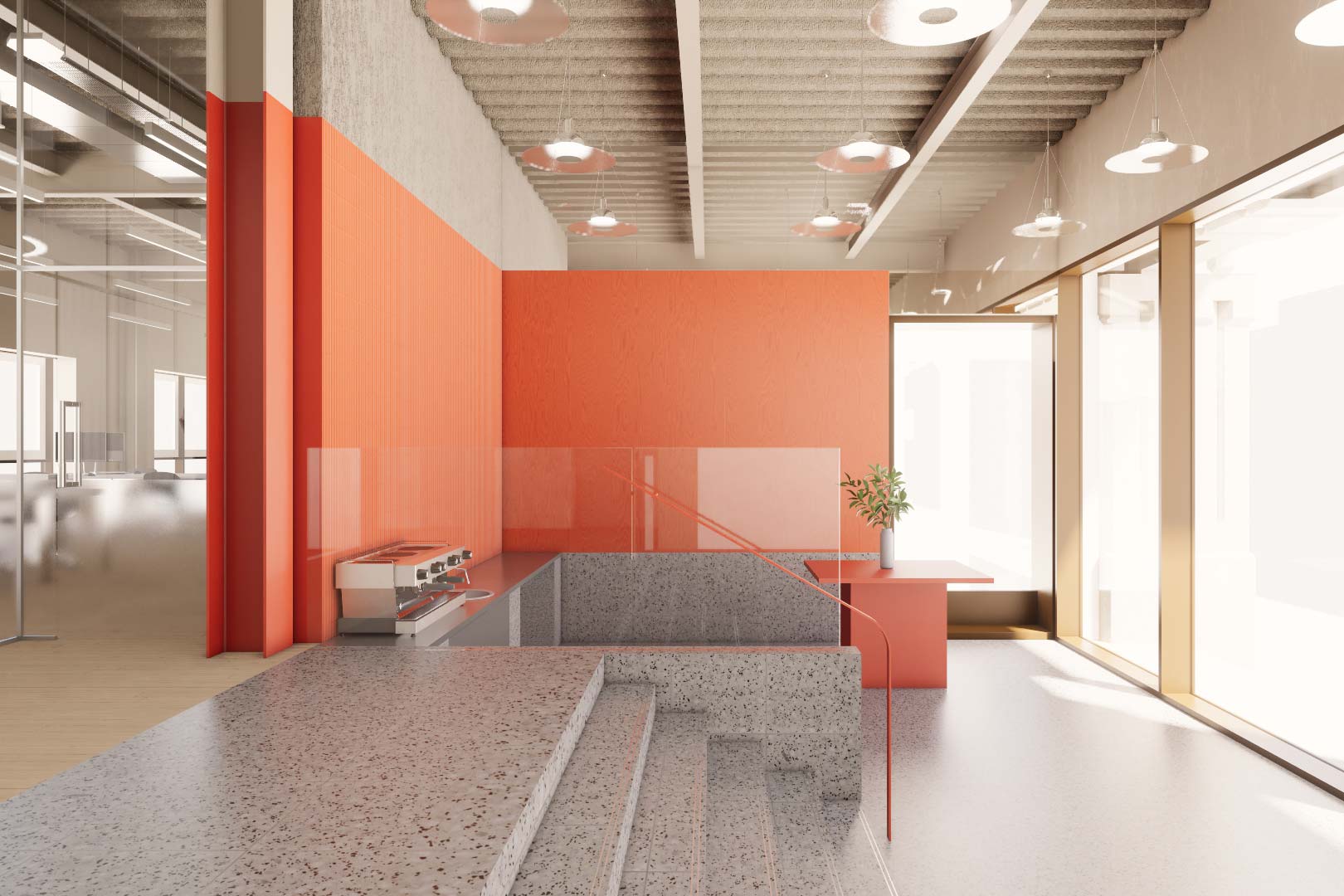
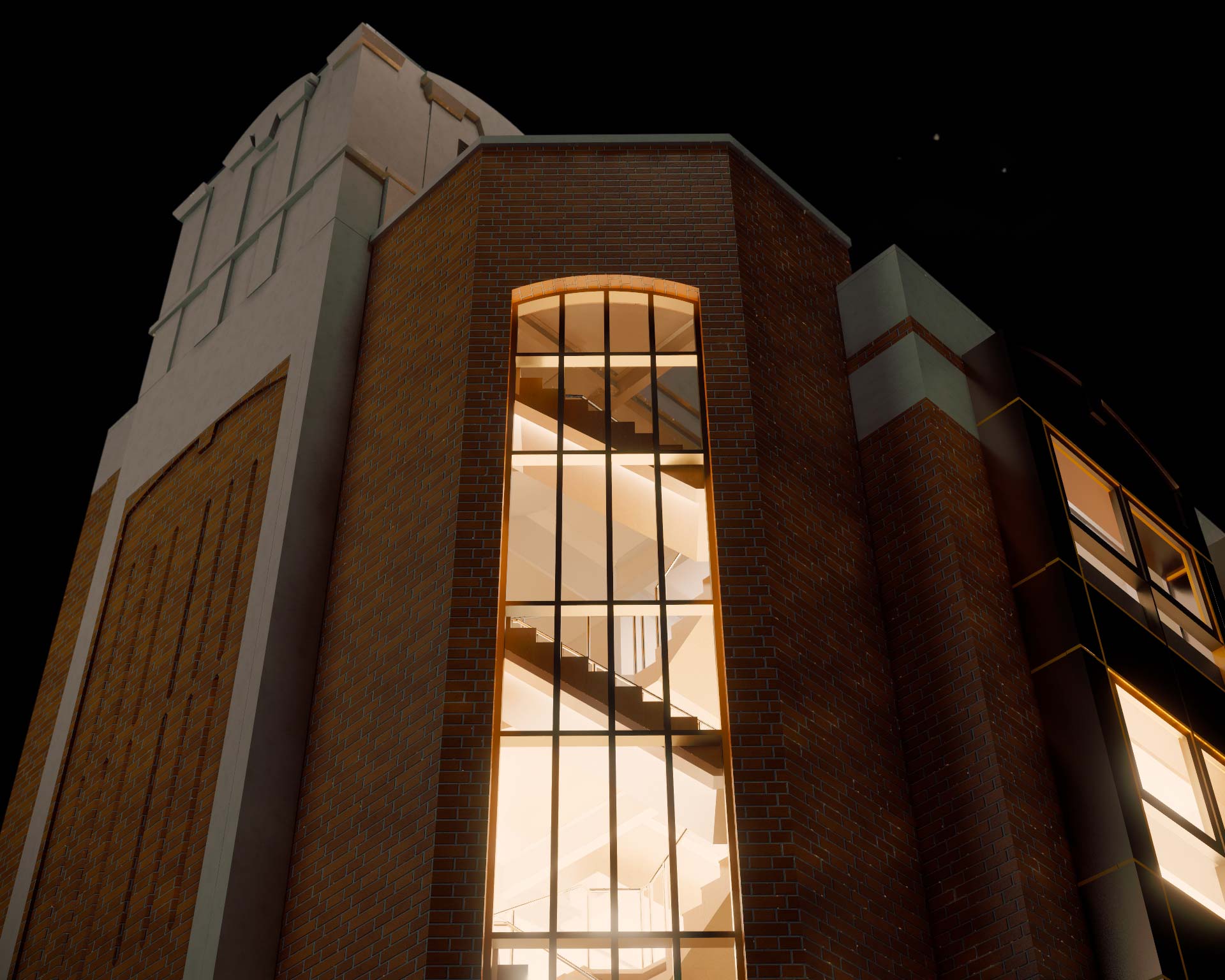
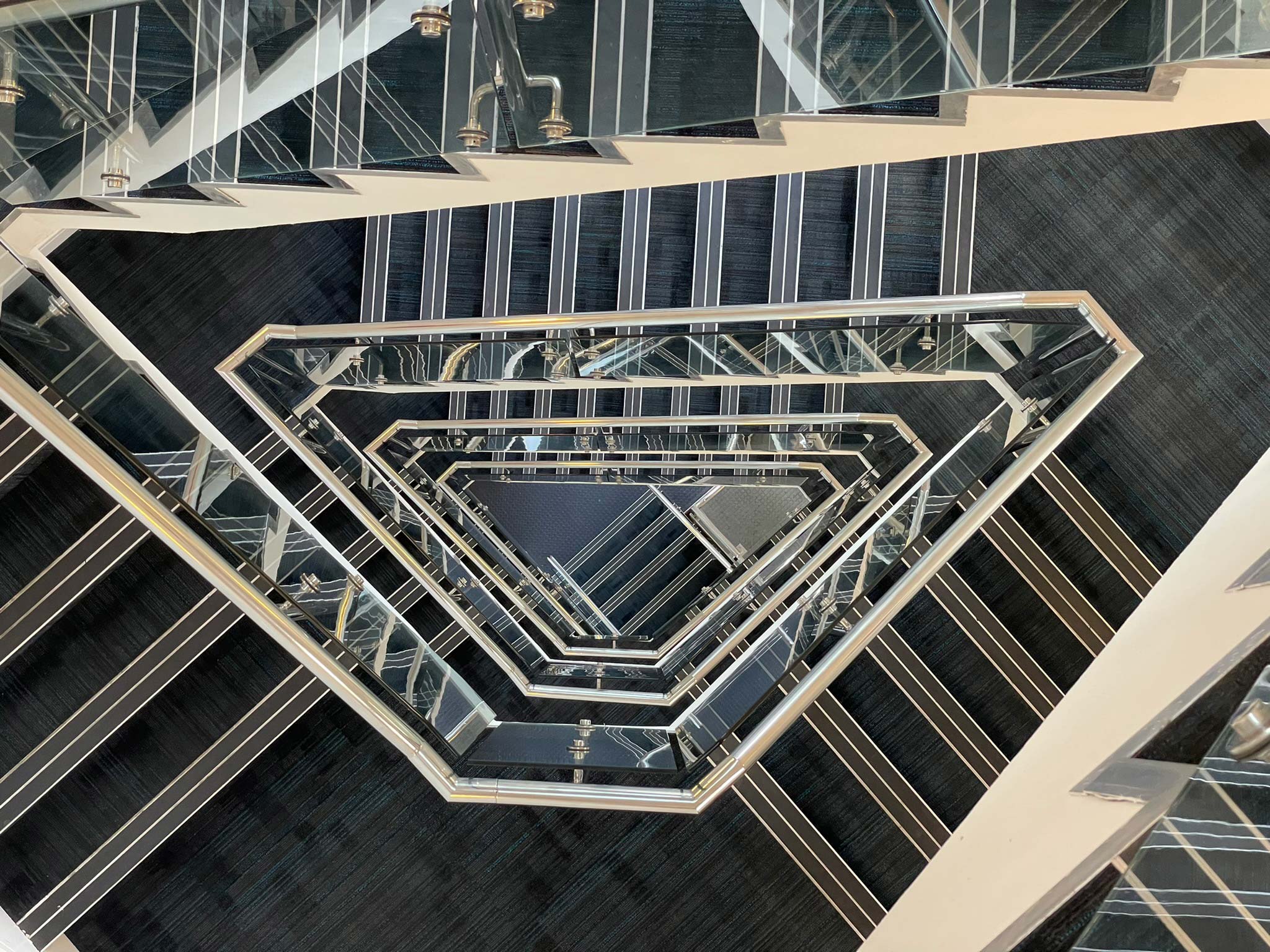
We ran design studies exploring how the exterior could inform the new interior. The existing façade has this distinct 1980s quality—brick, precast concrete, Aztec-style columns—and rather than pretending that doesn't exist, we leaned into it. Mood boards embraced that period character, which helped the client understand the direction. The material palette developed from there: terrazzo, red travertine, timber linings in the lobby and lifts. The existing triangular stair becomes a visual marker, highlighted in bold colour and strategically lit to draw attention from the busy intersection outside.
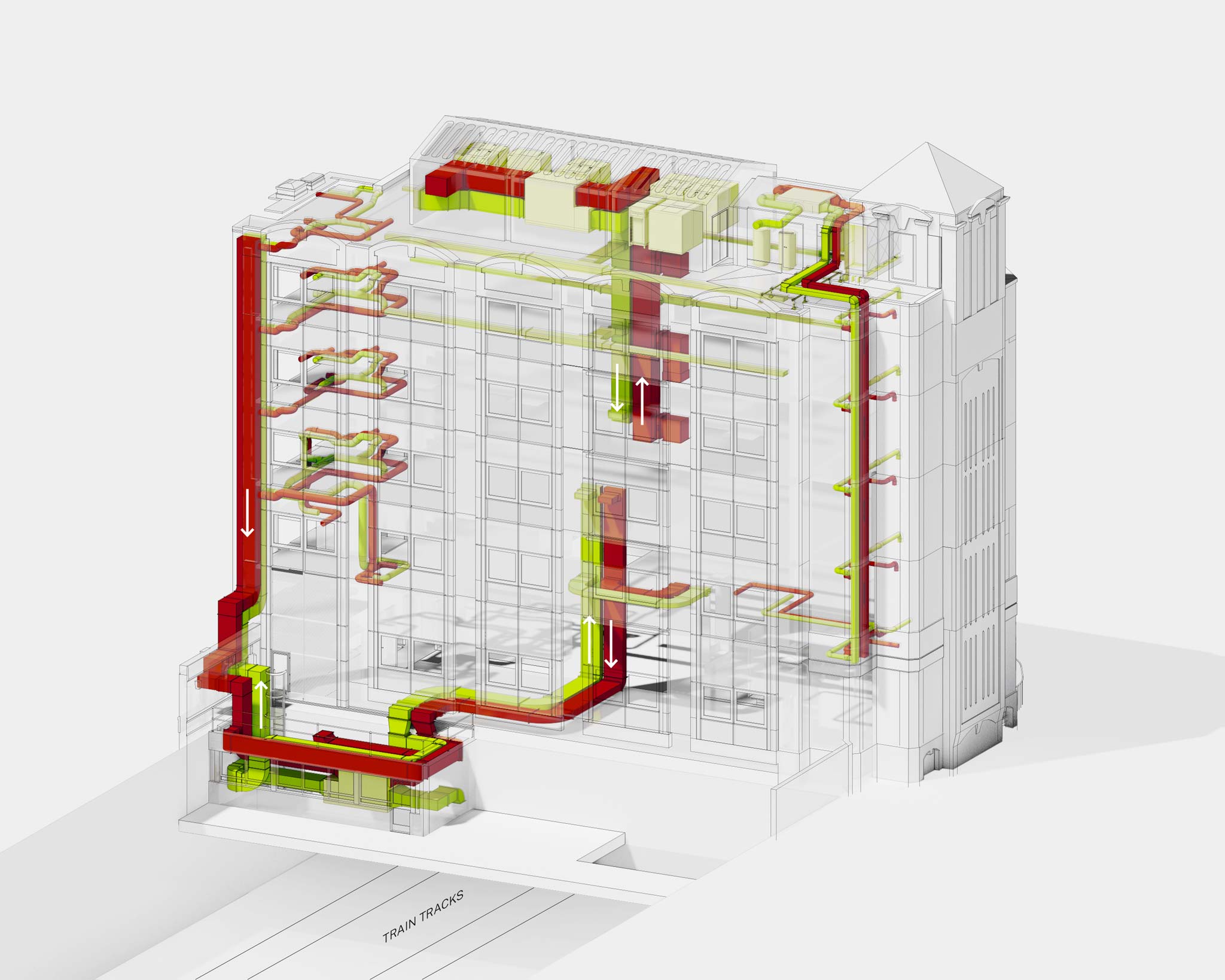
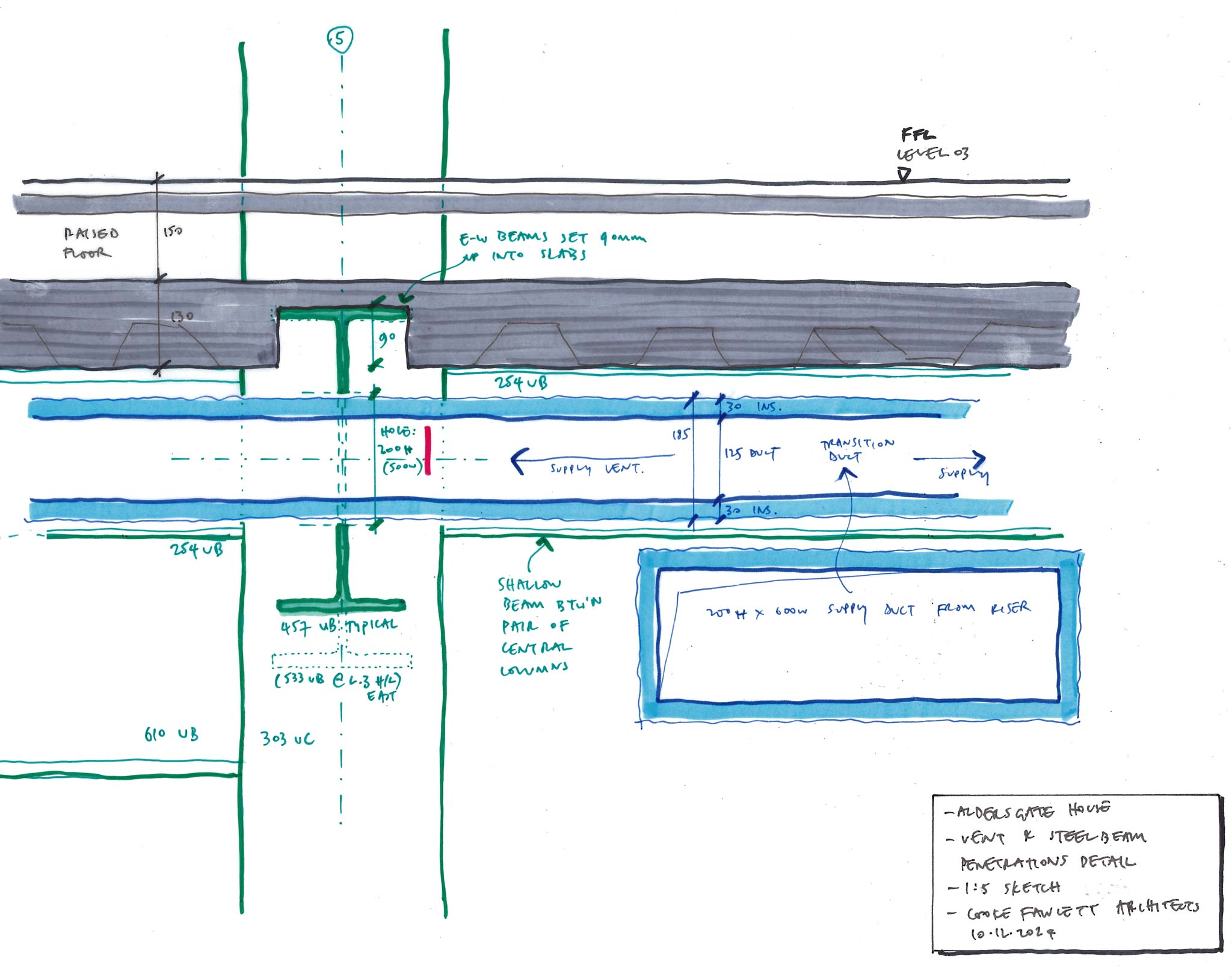
The project addresses the building's poor energy performance through complete reservicing. We shifted from gas to all-electric systems using air source heat pumps housed in an extended rooftop plantroom, achieving an EPC rating improvement from F/G to high B. New ductwork runs beneath the existing downstand beams, carefully organized alongside VRV units, lighting and pipework to maintain visual order in the exposed ceilings. A new central riser manages air distribution across the floor plates.
Working within strict structural constraints imposed by the Tube and Crossrail tunnels below, the design operates within the existing shell. Vertical extension proved unfeasible due to a 5% maximum load increase limit, and the client did not want to reclad due to risk of delay due to the live tube lines below.
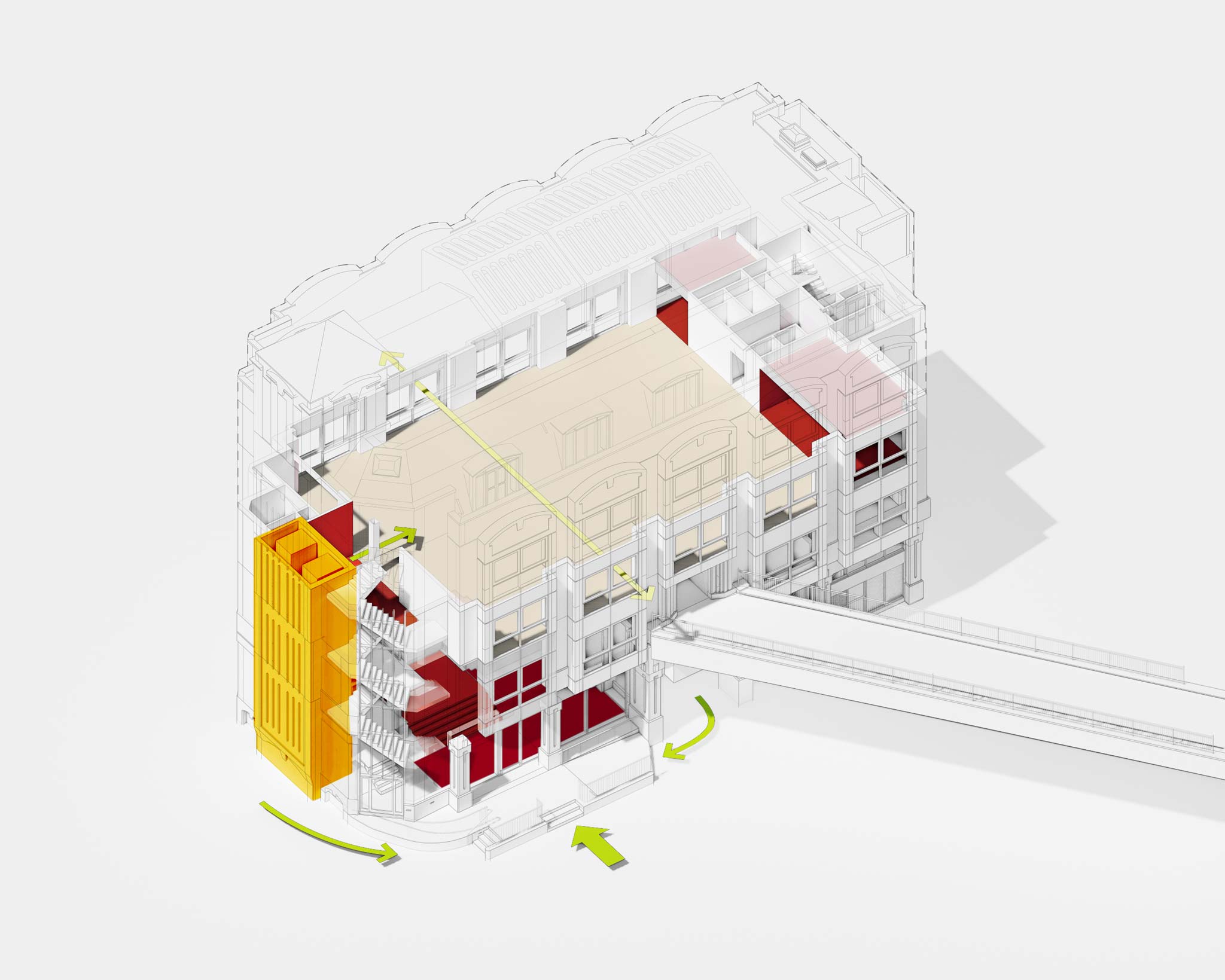
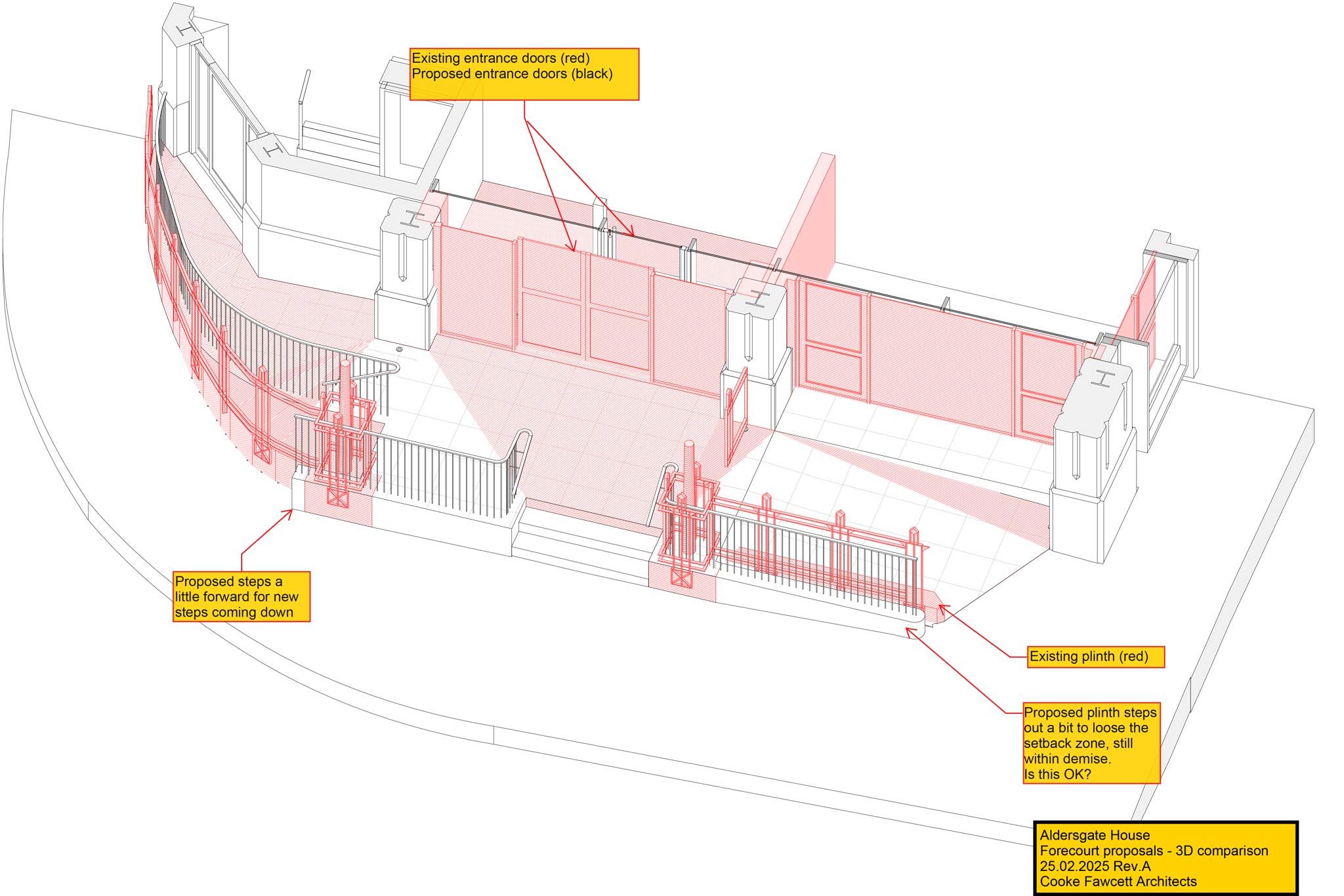
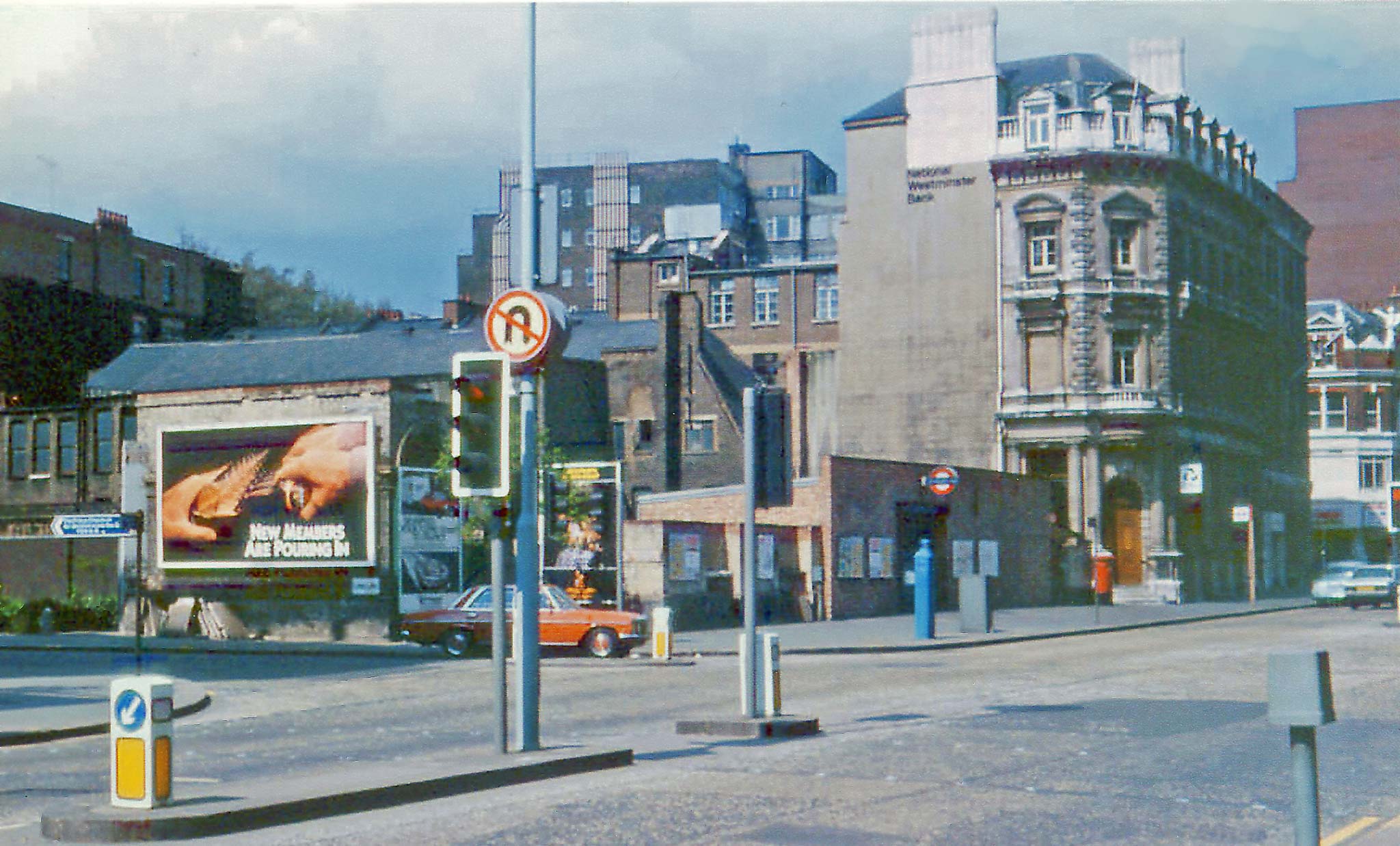
The building's location above the station created a complex, multi-level entry sequence that was difficult to navigate. Resolving this will accessibility significantly, creating a more inclusive arrival experience. Former plant rooms will be repurposed as secure cycle storage, and a dysfunctional gap adjacent to a listed bank now provides dedicated bike access from the north.
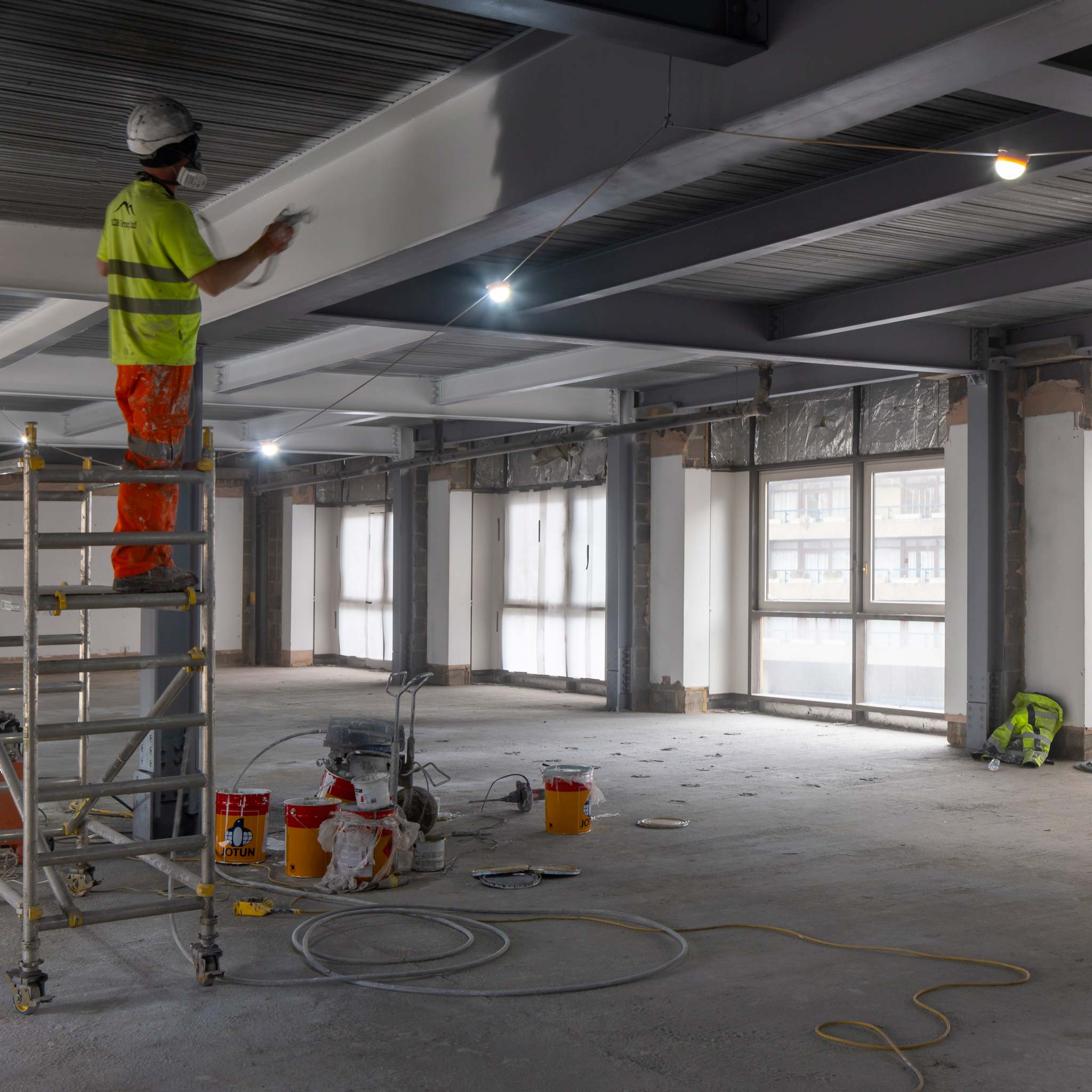
We completed strip-out with contractor Bryen Langley in 2025. Main works started in early 2026. The project demonstrates how deep retrofit can reposition an overlooked building to meet contemporary ESG requirements while creating characterful workspace that responds to its unique urban context.
This comprehensive retrofit transforms a tired late-1980s office building directly above Barbican Tube Station into a boutique workplace that capitalises on its exceptional dual-aspect views and transport connections. The design strips away decades of accumulated clutter to reveal the building's robust steel structure, creating generous ceiling heights and visual clarity across the floor plates.
More text
Removing suspended ceilings exposes the existing structural steelwork and increases the height of the spaces by 20%, turning what were low, compartmentalised floors into open volumes filled with natural light. The entrance sequence is completely reimagined: doubling the width of the foyer by incorporating an adjacent retail bay and removing the cluttered external canopy creates a transparent, welcoming arrival that engages directly with the street and Barbican high-walks.
We ran design studies exploring how the exterior could inform the new interior. The existing façade has this distinct 1980s quality—brick, precast concrete, Aztec-style columns—and rather than pretending that doesn't exist, we leaned into it. Mood boards embraced that period character, which helped the client understand the direction. The material palette developed from there: terrazzo, red travertine, timber linings in the lobby and lifts. The existing triangular stair becomes a visual marker, highlighted in bold colour and strategically lit to draw attention from the busy intersection outside.
The project addresses the building's poor energy performance through complete reservicing. We shifted from gas to all-electric systems using air source heat pumps housed in an extended rooftop plantroom, achieving an EPC rating improvement from F/G to high B. New ductwork runs beneath the existing downstand beams, carefully organized alongside VRV units, lighting and pipework to maintain visual order in the exposed ceilings. A new central riser manages air distribution across the floor plates.
Working within strict structural constraints imposed by the Tube and Crossrail tunnels below, the design operates within the existing shell. Vertical extension proved unfeasible due to a 5% maximum load increase limit, and the client did not want to reclad due to risk of delay due to the live tube lines below.
The building's location above the station created a complex, multi-level entry sequence that was difficult to navigate. Resolving this will accessibility significantly, creating a more inclusive arrival experience. Former plant rooms will be repurposed as secure cycle storage, and a dysfunctional gap adjacent to a listed bank now provides dedicated bike access from the north.
We completed strip-out with contractor Bryen Langley in 2025. Main works started in early 2026. The project demonstrates how deep retrofit can reposition an overlooked building to meet contemporary ESG requirements while creating characterful workspace that responds to its unique urban context.
This comprehensive retrofit transforms a tired late-1980s office building directly above Barbican Tube Station into a boutique workplace that capitalises on its exceptional dual-aspect views and transport connections. The design strips away decades of accumulated clutter to reveal the building's robust steel structure, creating generous ceiling heights and visual clarity across the floor plates.
More text
Removing suspended ceilings exposes the existing structural steelwork and increases the height of the spaces by 20%, turning what were low, compartmentalised floors into open volumes filled with natural light. The entrance sequence is completely reimagined: doubling the width of the foyer by incorporating an adjacent retail bay and removing the cluttered external canopy creates a transparent, welcoming arrival that engages directly with the street and Barbican high-walks.
We ran design studies exploring how the exterior could inform the new interior. The existing façade has this distinct 1980s quality—brick, precast concrete, Aztec-style columns—and rather than pretending that doesn't exist, we leaned into it. Mood boards embraced that period character, which helped the client understand the direction. The material palette developed from there: terrazzo, red travertine, timber linings in the lobby and lifts. The existing triangular stair becomes a visual marker, highlighted in bold colour and strategically lit to draw attention from the busy intersection outside.
The project addresses the building's poor energy performance through complete reservicing. We shifted from gas to all-electric systems using air source heat pumps housed in an extended rooftop plantroom, achieving an EPC rating improvement from F/G to high B. New ductwork runs beneath the existing downstand beams, carefully organized alongside VRV units, lighting and pipework to maintain visual order in the exposed ceilings. A new central riser manages air distribution across the floor plates.
Working within strict structural constraints imposed by the Tube and Crossrail tunnels below, the design operates within the existing shell. Vertical extension proved unfeasible due to a 5% maximum load increase limit, and the client did not want to reclad due to risk of delay due to the live tube lines below.
The building's location above the station created a complex, multi-level entry sequence that was difficult to navigate. Resolving this will accessibility significantly, creating a more inclusive arrival experience. Former plant rooms will be repurposed as secure cycle storage, and a dysfunctional gap adjacent to a listed bank now provides dedicated bike access from the north.
We completed strip-out with contractor Bryen Langley in 2025. Main works started in early 2026. The project demonstrates how deep retrofit can reposition an overlooked building to meet contemporary ESG requirements while creating characterful workspace that responds to its unique urban context.
This comprehensive retrofit transforms a tired late-1980s office building directly above Barbican Tube Station into a boutique workplace that capitalises on its exceptional dual-aspect views and transport connections. The design strips away decades of accumulated clutter to reveal the building's robust steel structure, creating generous ceiling heights and visual clarity across the floor plates.
More text
Removing suspended ceilings exposes the existing structural steelwork and increases the height of the spaces by 20%, turning what were low, compartmentalised floors into open volumes filled with natural light. The entrance sequence is completely reimagined: doubling the width of the foyer by incorporating an adjacent retail bay and removing the cluttered external canopy creates a transparent, welcoming arrival that engages directly with the street and Barbican high-walks.
We ran design studies exploring how the exterior could inform the new interior. The existing façade has this distinct 1980s quality—brick, precast concrete, Aztec-style columns—and rather than pretending that doesn't exist, we leaned into it. Mood boards embraced that period character, which helped the client understand the direction. The material palette developed from there: terrazzo, red travertine, timber linings in the lobby and lifts. The existing triangular stair becomes a visual marker, highlighted in bold colour and strategically lit to draw attention from the busy intersection outside.
The project addresses the building's poor energy performance through complete reservicing. We shifted from gas to all-electric systems using air source heat pumps housed in an extended rooftop plantroom, achieving an EPC rating improvement from F/G to high B. New ductwork runs beneath the existing downstand beams, carefully organized alongside VRV units, lighting and pipework to maintain visual order in the exposed ceilings. A new central riser manages air distribution across the floor plates.
Working within strict structural constraints imposed by the Tube and Crossrail tunnels below, the design operates within the existing shell. Vertical extension proved unfeasible due to a 5% maximum load increase limit, and the client did not want to reclad due to risk of delay due to the live tube lines below.
The building's location above the station created a complex, multi-level entry sequence that was difficult to navigate. Resolving this will accessibility significantly, creating a more inclusive arrival experience. Former plant rooms will be repurposed as secure cycle storage, and a dysfunctional gap adjacent to a listed bank now provides dedicated bike access from the north.
We completed strip-out with contractor Bryen Langley in 2025. Main works started in early 2026. The project demonstrates how deep retrofit can reposition an overlooked building to meet contemporary ESG requirements while creating characterful workspace that responds to its unique urban context.
This comprehensive retrofit transforms a tired late-1980s office building directly above Barbican Tube Station into a boutique workplace that capitalises on its exceptional dual-aspect views and transport connections. The design strips away decades of accumulated clutter to reveal the building's robust steel structure, creating generous ceiling heights and visual clarity across the floor plates.
More text
Removing suspended ceilings exposes the existing structural steelwork and increases the height of the spaces by 20%, turning what were low, compartmentalised floors into open volumes filled with natural light. The entrance sequence is completely reimagined: doubling the width of the foyer by incorporating an adjacent retail bay and removing the cluttered external canopy creates a transparent, welcoming arrival that engages directly with the street and Barbican high-walks.
We ran design studies exploring how the exterior could inform the new interior. The existing façade has this distinct 1980s quality—brick, precast concrete, Aztec-style columns—and rather than pretending that doesn't exist, we leaned into it. Mood boards embraced that period character, which helped the client understand the direction. The material palette developed from there: terrazzo, red travertine, timber linings in the lobby and lifts. The existing triangular stair becomes a visual marker, highlighted in bold colour and strategically lit to draw attention from the busy intersection outside.
The project addresses the building's poor energy performance through complete reservicing. We shifted from gas to all-electric systems using air source heat pumps housed in an extended rooftop plantroom, achieving an EPC rating improvement from F/G to high B. New ductwork runs beneath the existing downstand beams, carefully organized alongside VRV units, lighting and pipework to maintain visual order in the exposed ceilings. A new central riser manages air distribution across the floor plates.
Working within strict structural constraints imposed by the Tube and Crossrail tunnels below, the design operates within the existing shell. Vertical extension proved unfeasible due to a 5% maximum load increase limit, and the client did not want to reclad due to risk of delay due to the live tube lines below.
The building's location above the station created a complex, multi-level entry sequence that was difficult to navigate. Resolving this will accessibility significantly, creating a more inclusive arrival experience. Former plant rooms will be repurposed as secure cycle storage, and a dysfunctional gap adjacent to a listed bank now provides dedicated bike access from the north.
We completed strip-out with contractor Bryen Langley in 2025. Main works started in early 2026. The project demonstrates how deep retrofit can reposition an overlooked building to meet contemporary ESG requirements while creating characterful workspace that responds to its unique urban context.


Process
Stripping out the suspended ceiling has revealed the original steel frame, which will be protected with intumescent paint


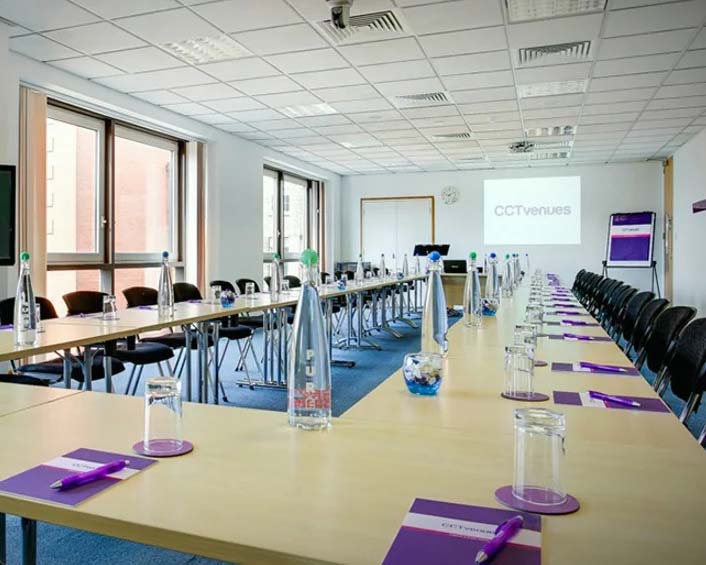
Dating from the late 1980's and originally designed by Rolfe Judd Architects, the building was most recently used as a training centre and Nightingale Court


232.
Aldersgate House, City of London
Year:
2024-26
Location: London
, UK
Category:
Private
, Workspace
Team: Francis Fawcett, Oliver Cooke, Zachary Henderson, Julia Belozertseva, Francesca Savvides
Client: Universal Consolidated Group Ltd.
MEP Engineers: Skelly and Couch
Structures: Axiom
Contractor: Bryen Langley
Status: Construction scheduled 2026