Hampshire Makers' Workshop

2018-22

151-2

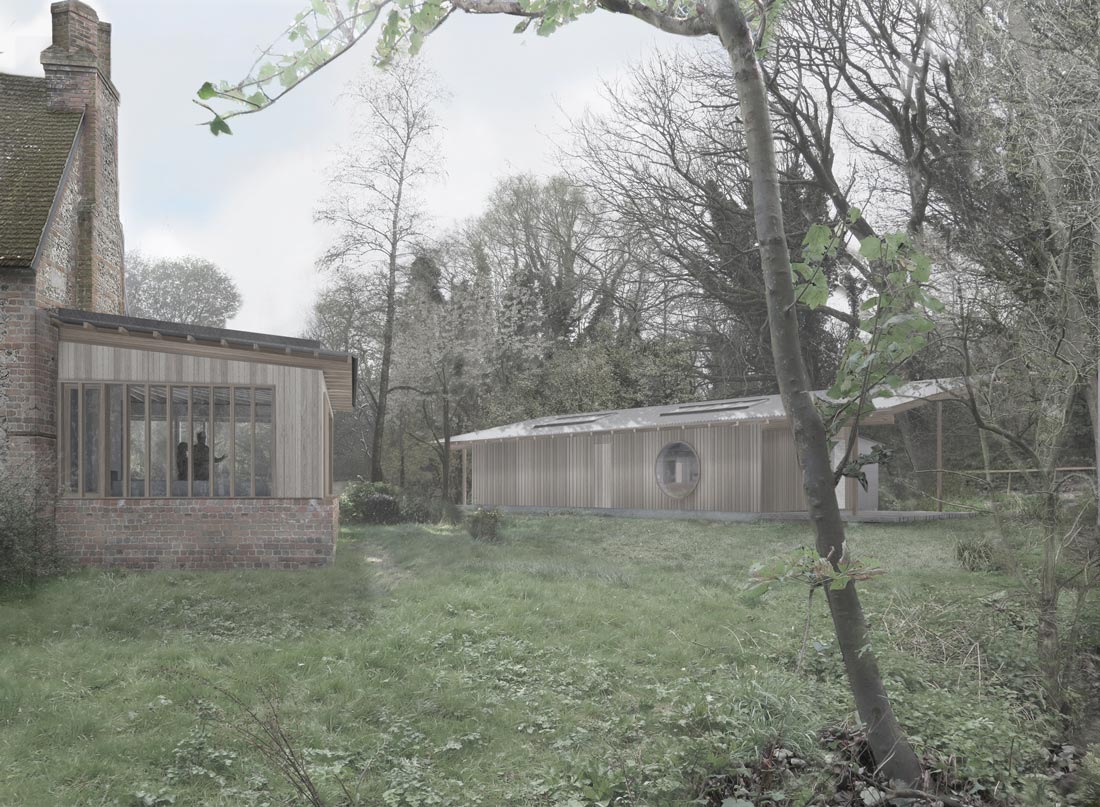
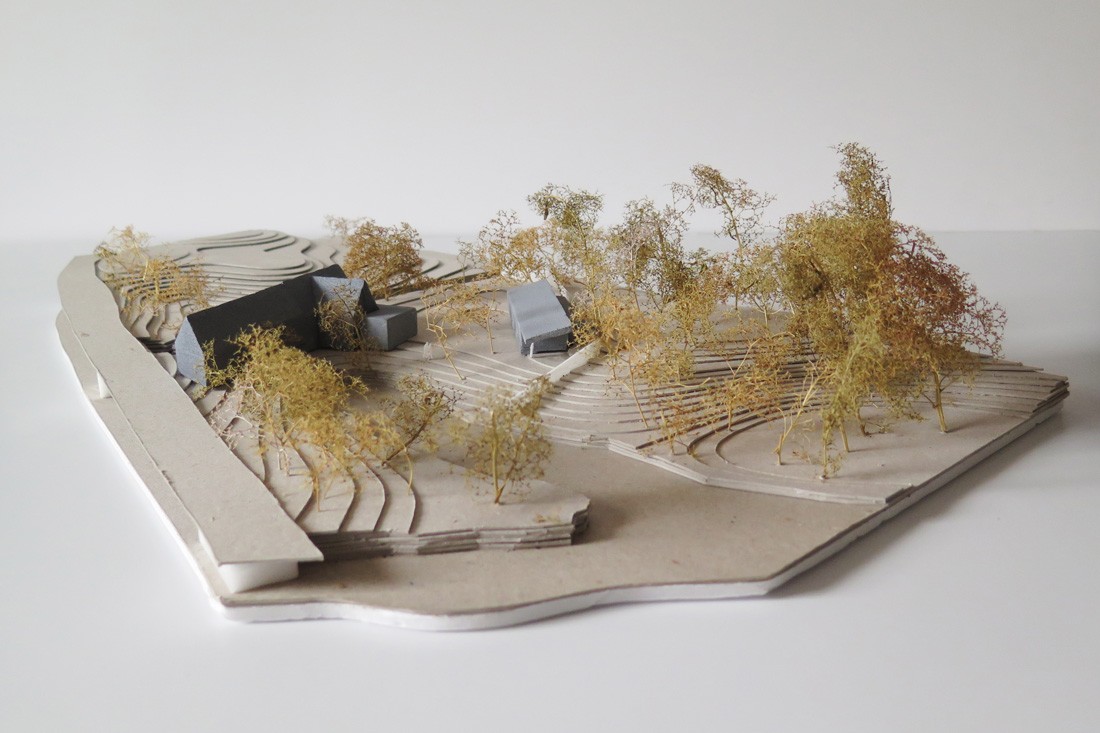
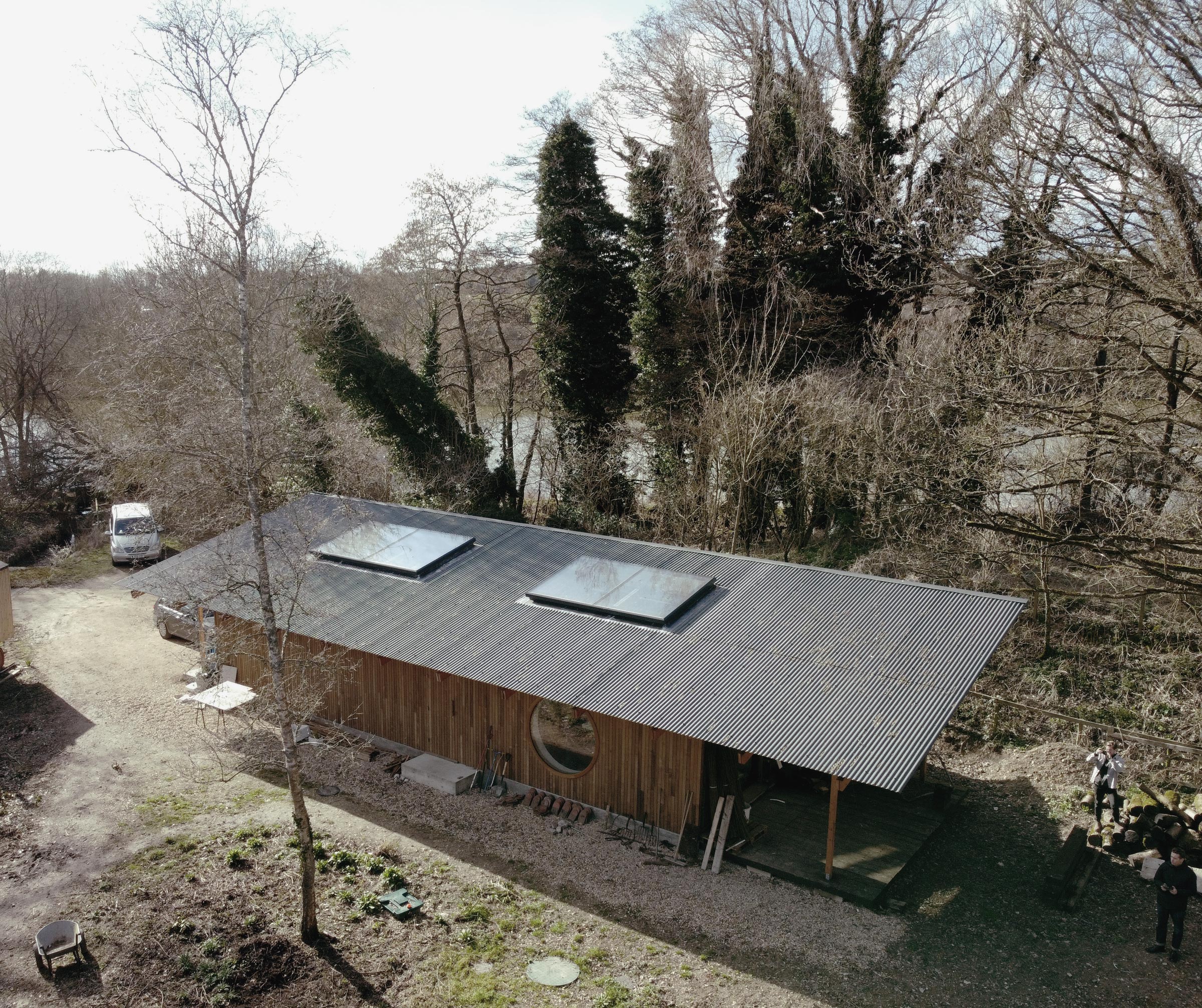
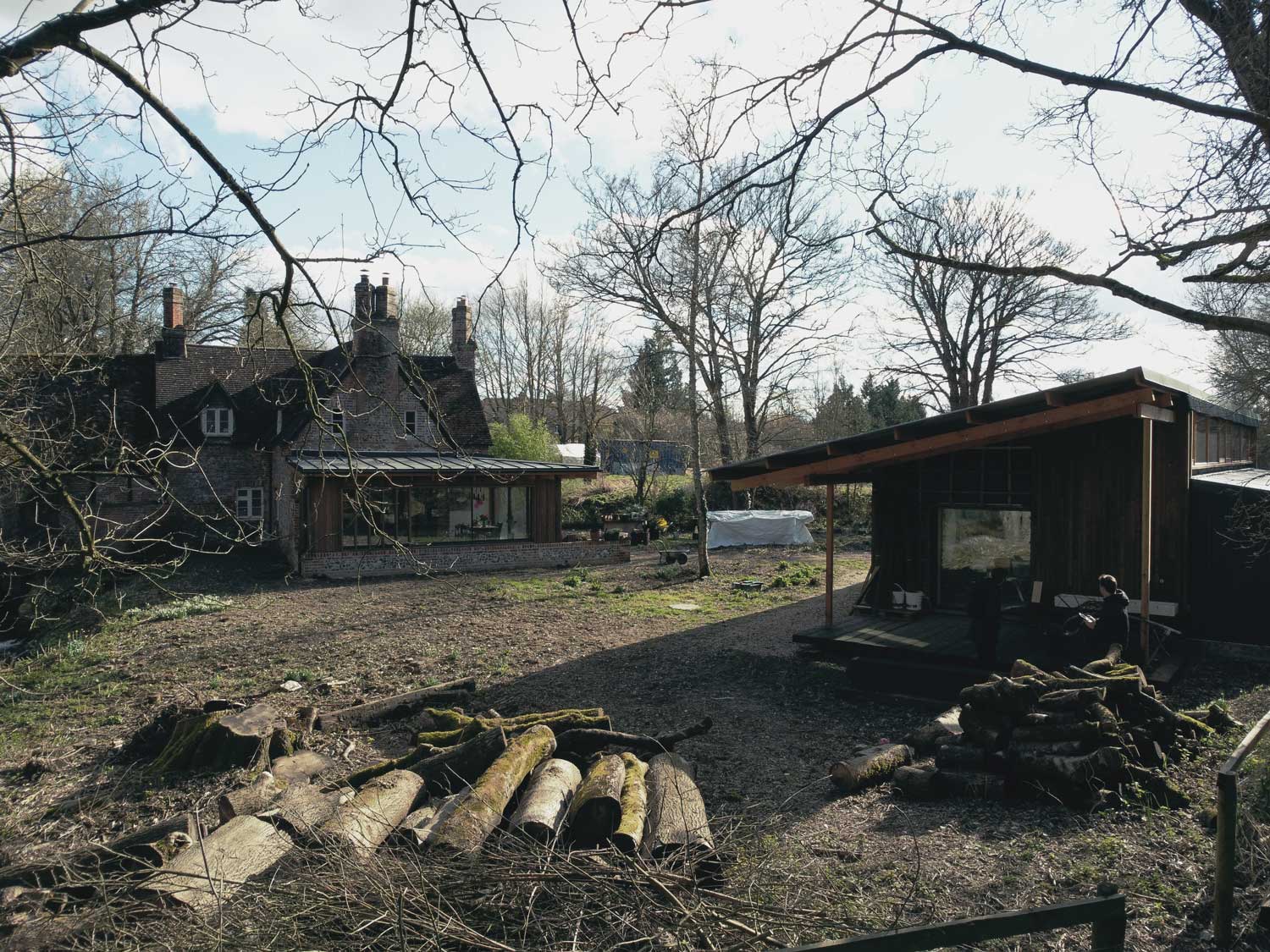
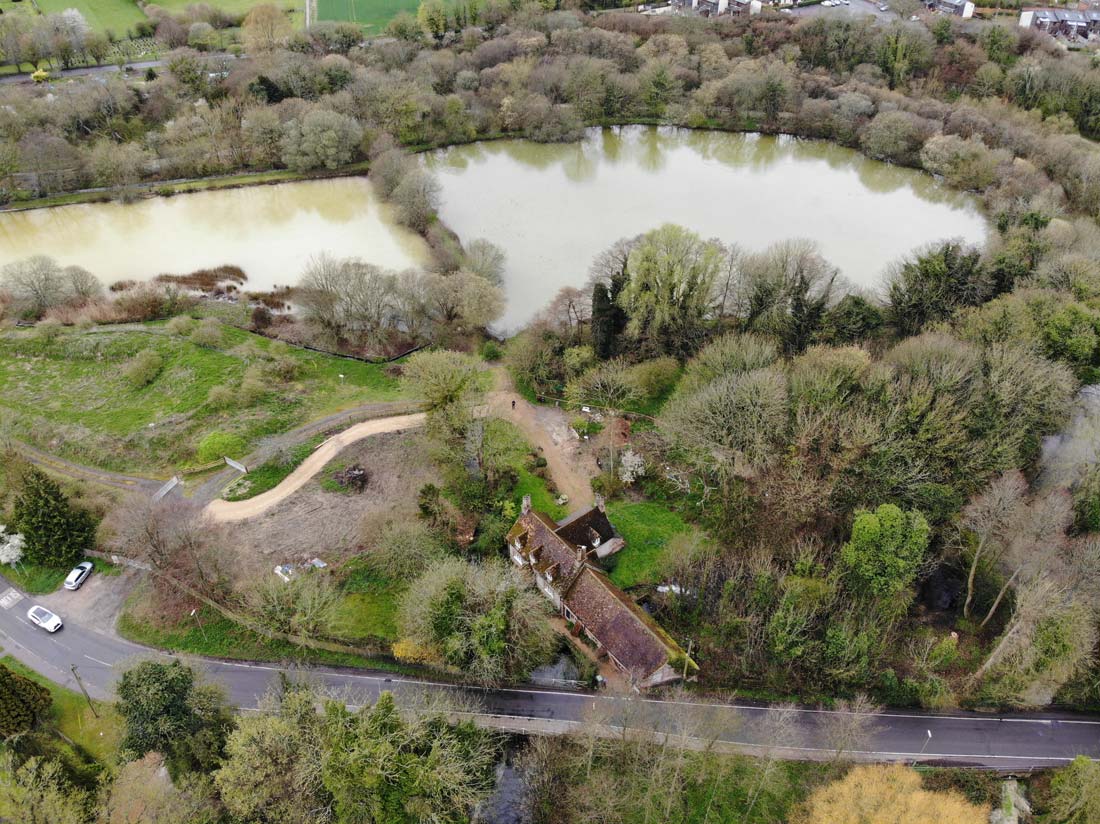
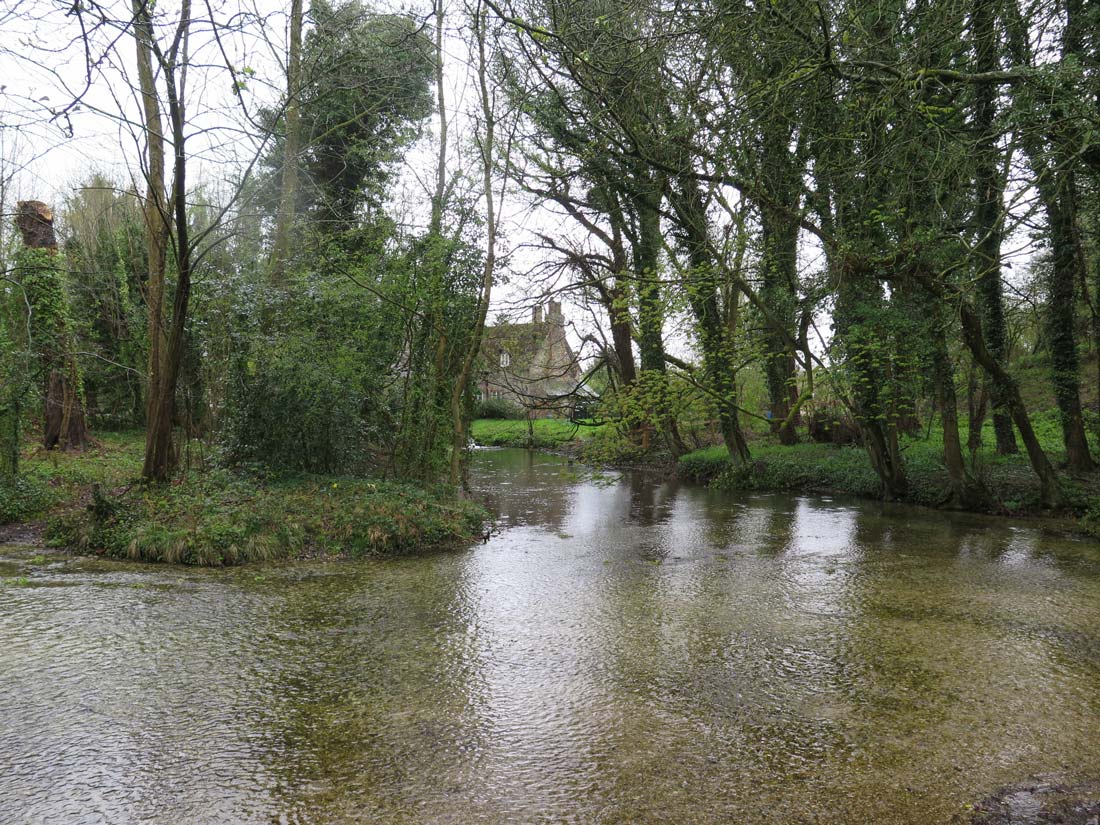
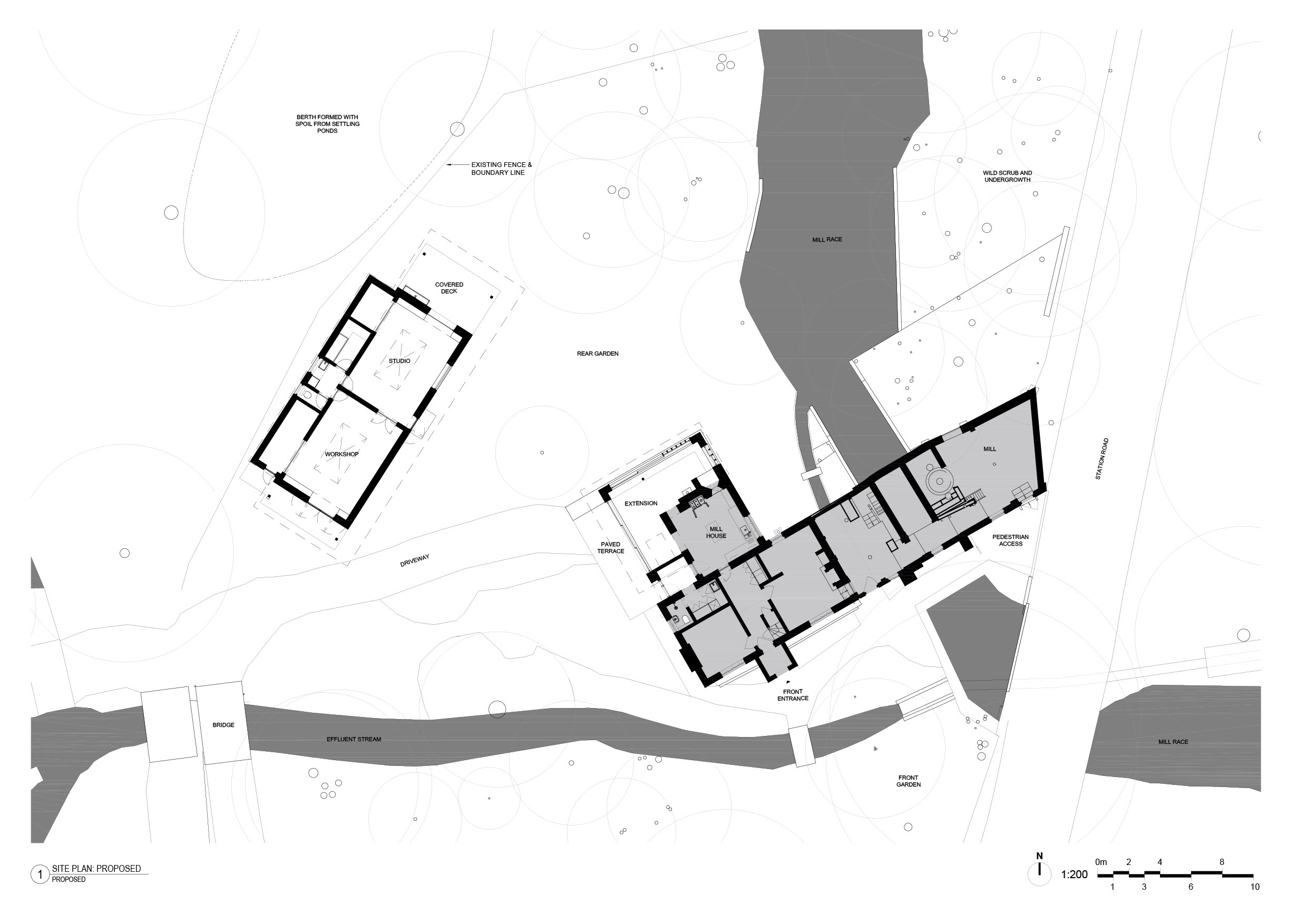
This site in Hampshire was bought by our clients — an artist and a fine art frame-maker — to enable the relocation of their home and work lives from London. Our challenge: to design and build them a new artists’ studio and workshop in the setting of a 17th century, Grade II listed water mill within an ancient site on the River Test.

More text

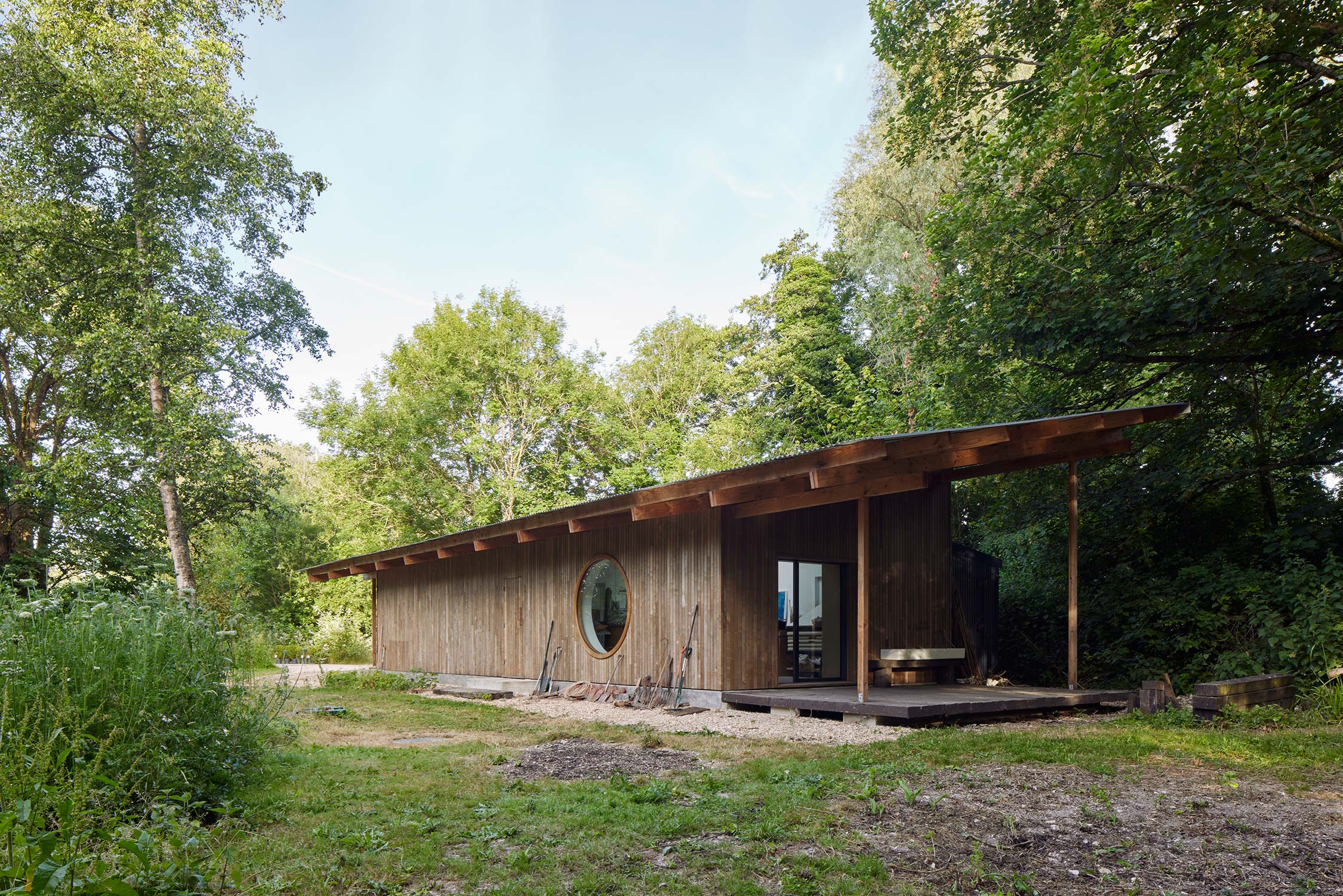
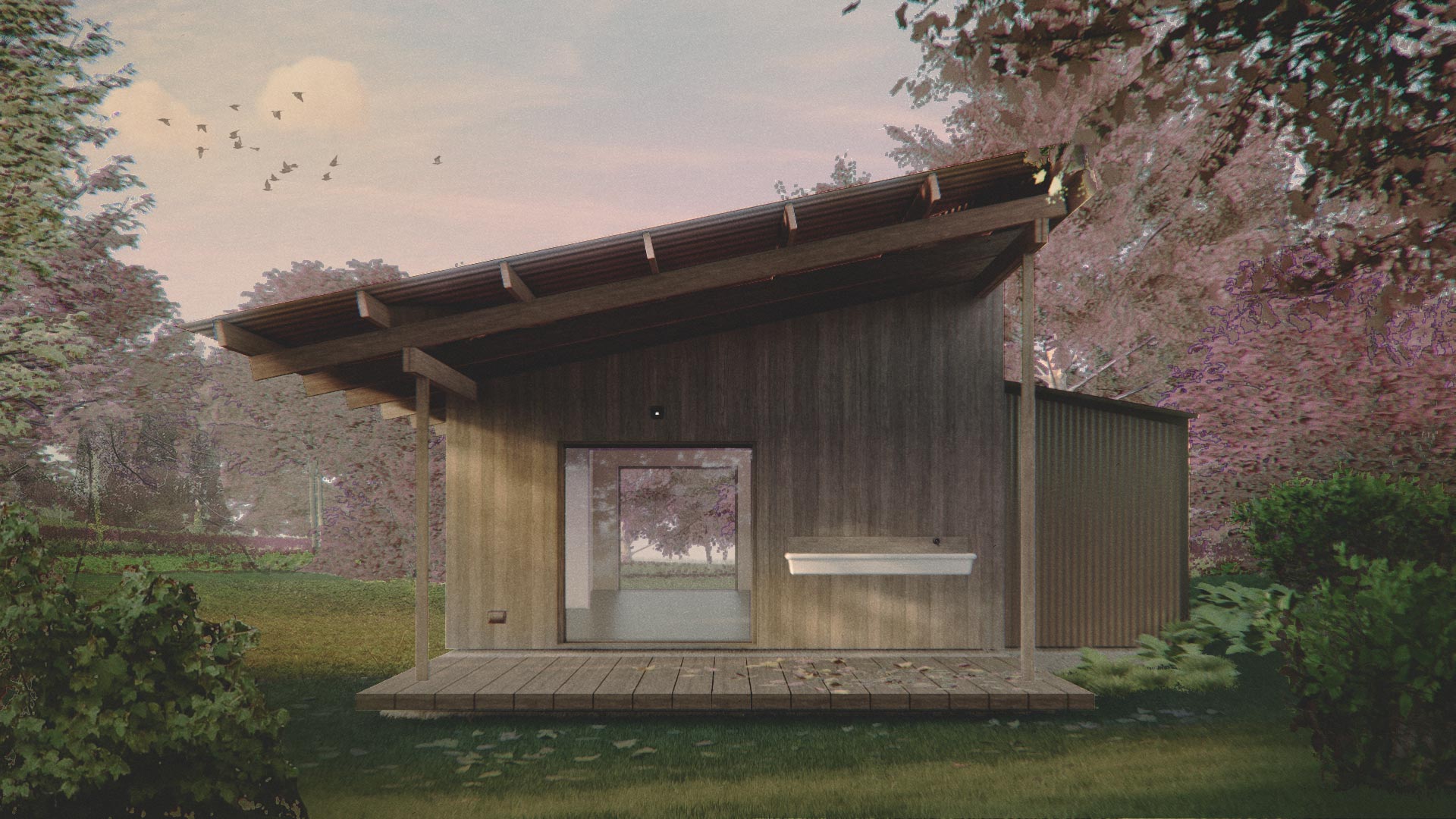
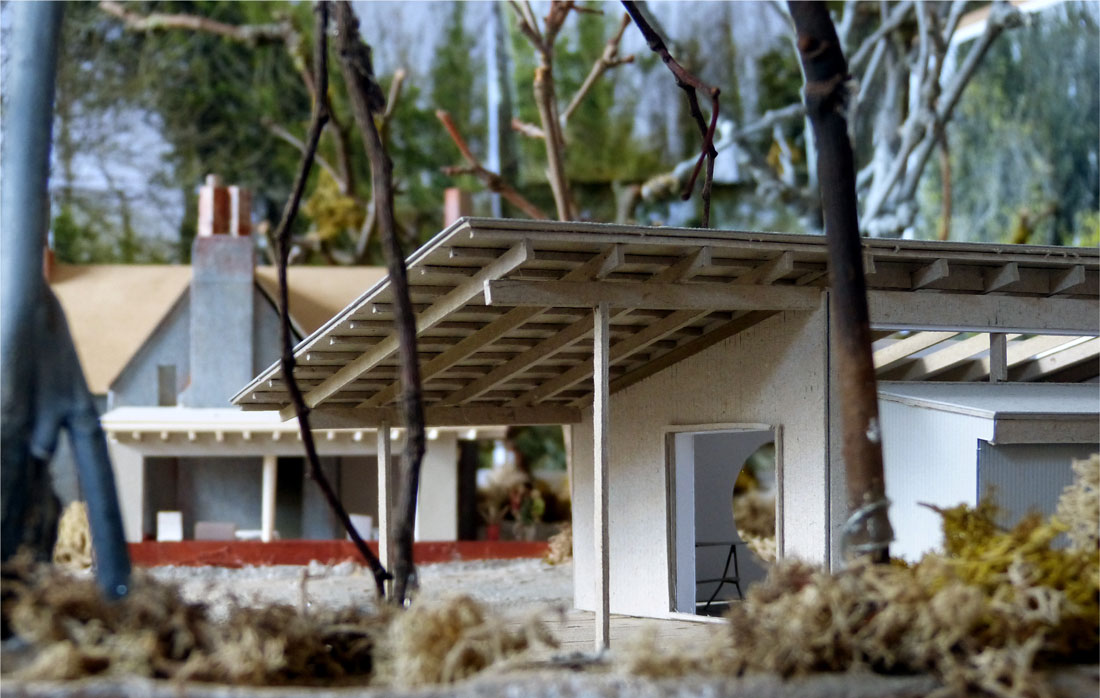
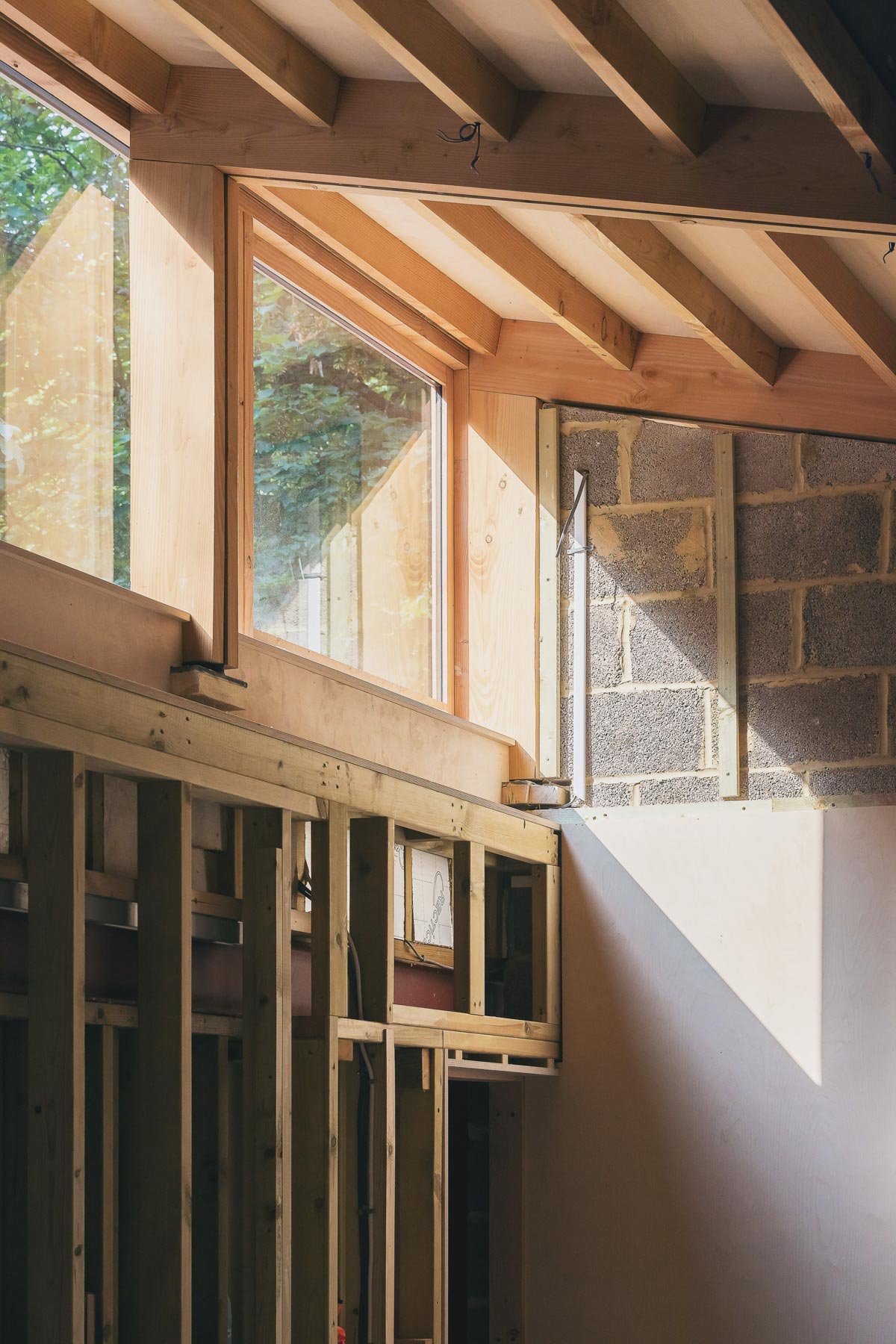
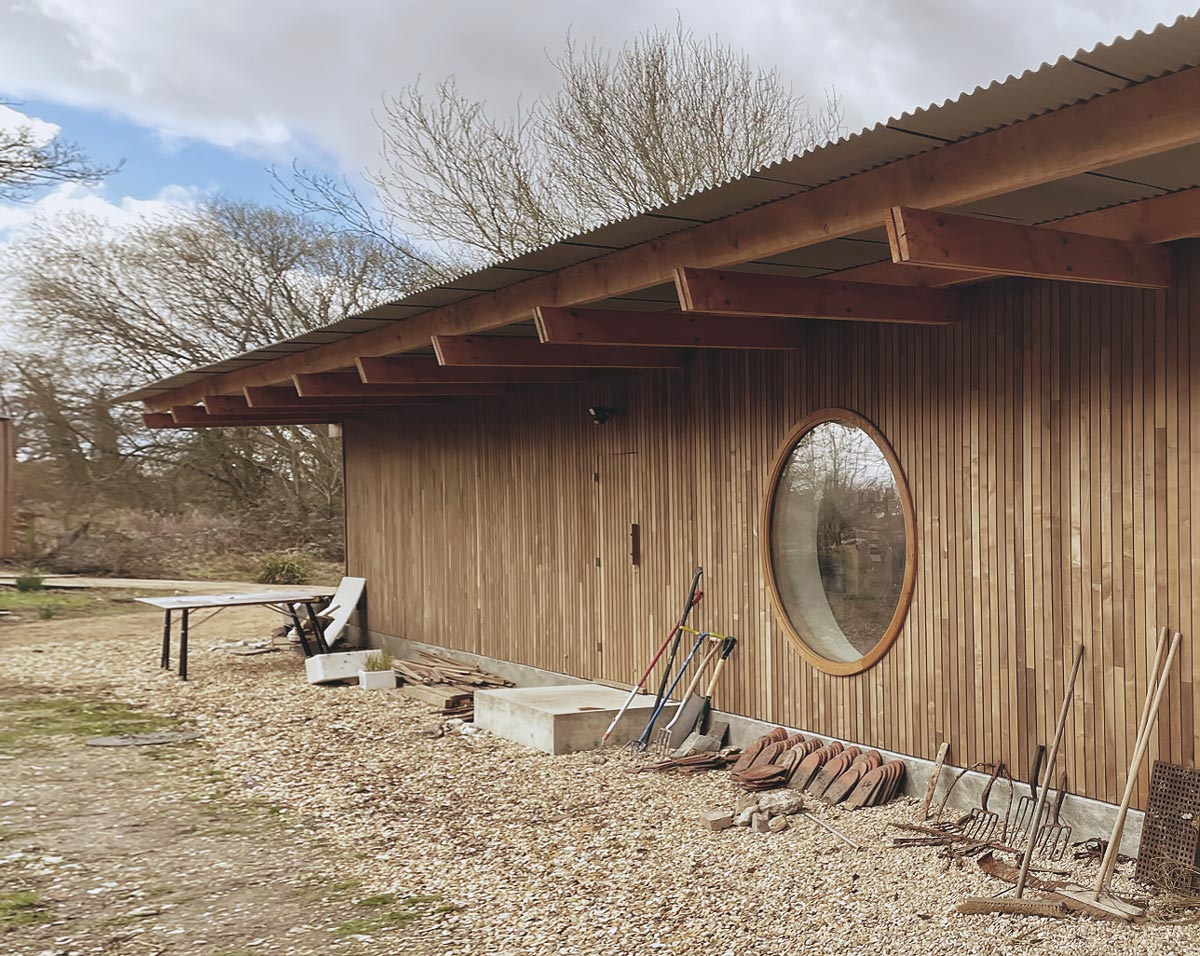
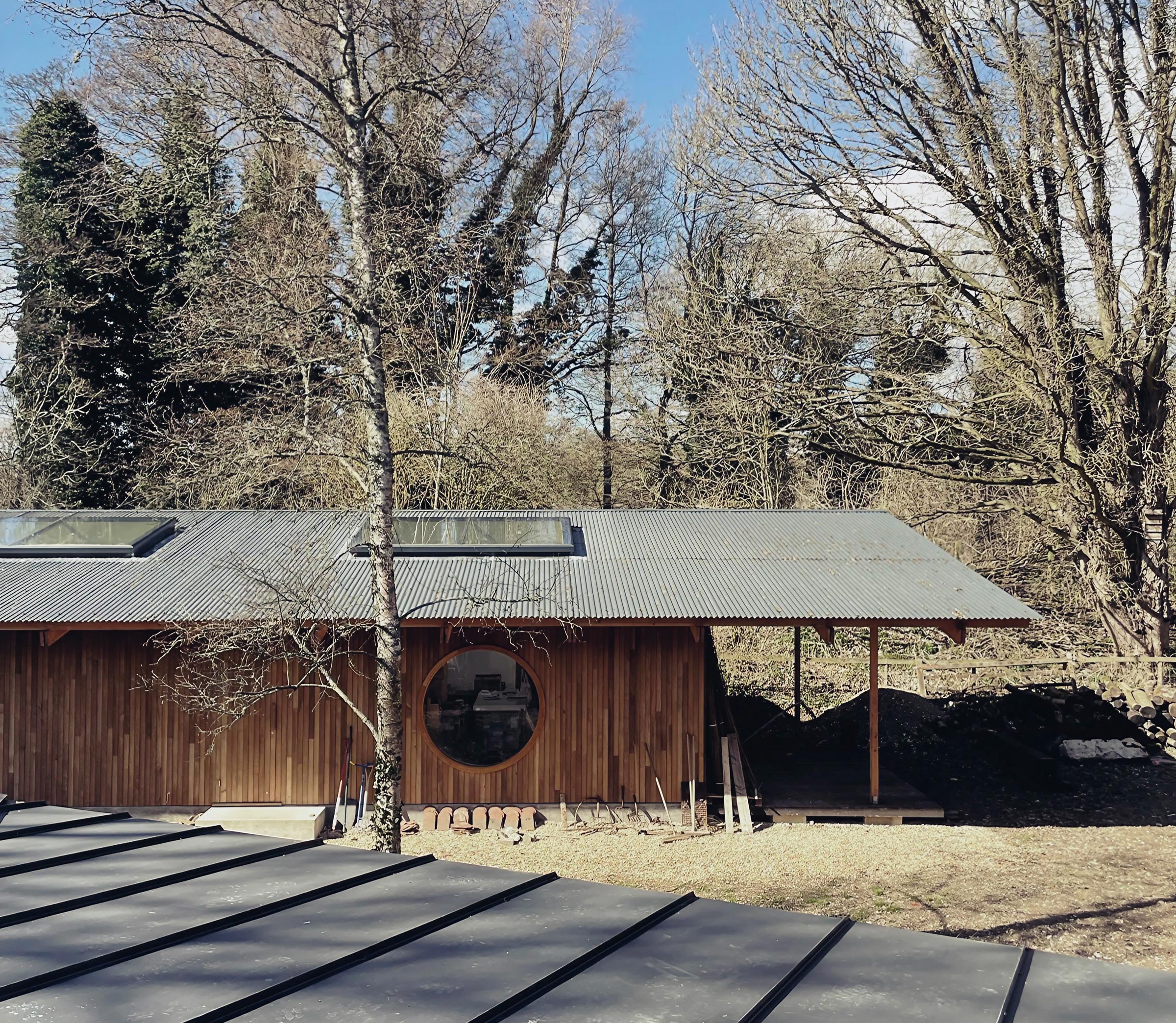
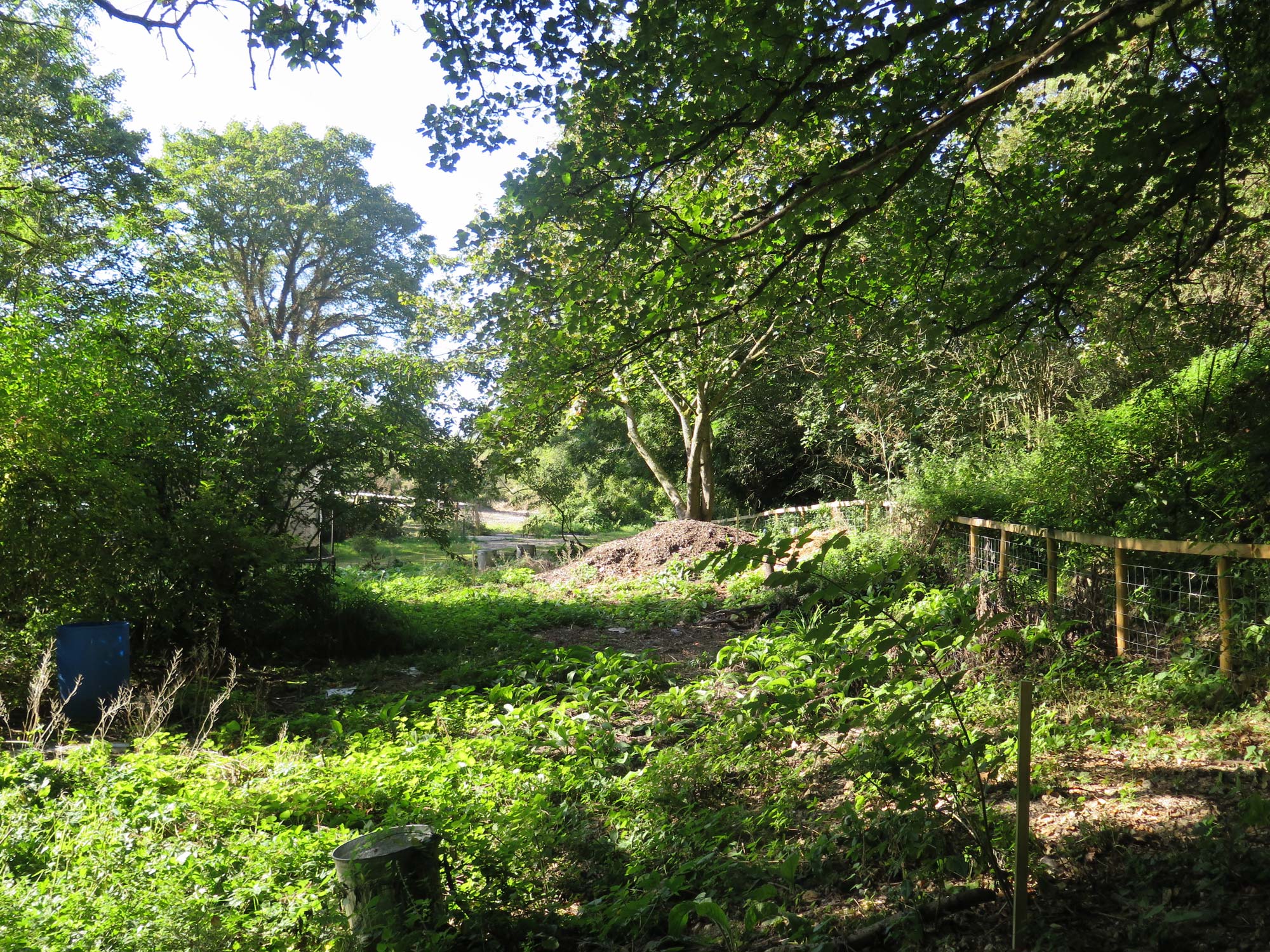
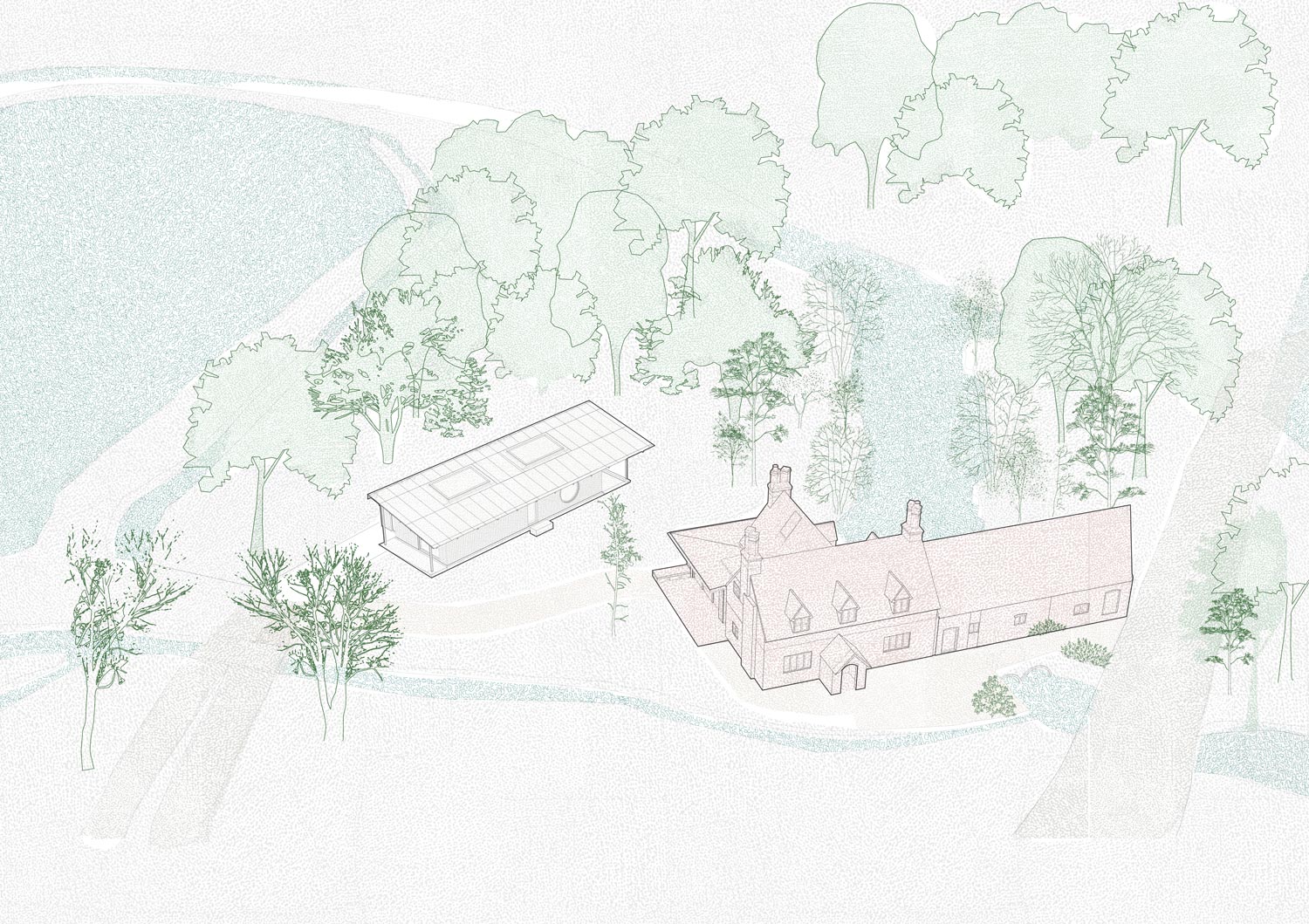
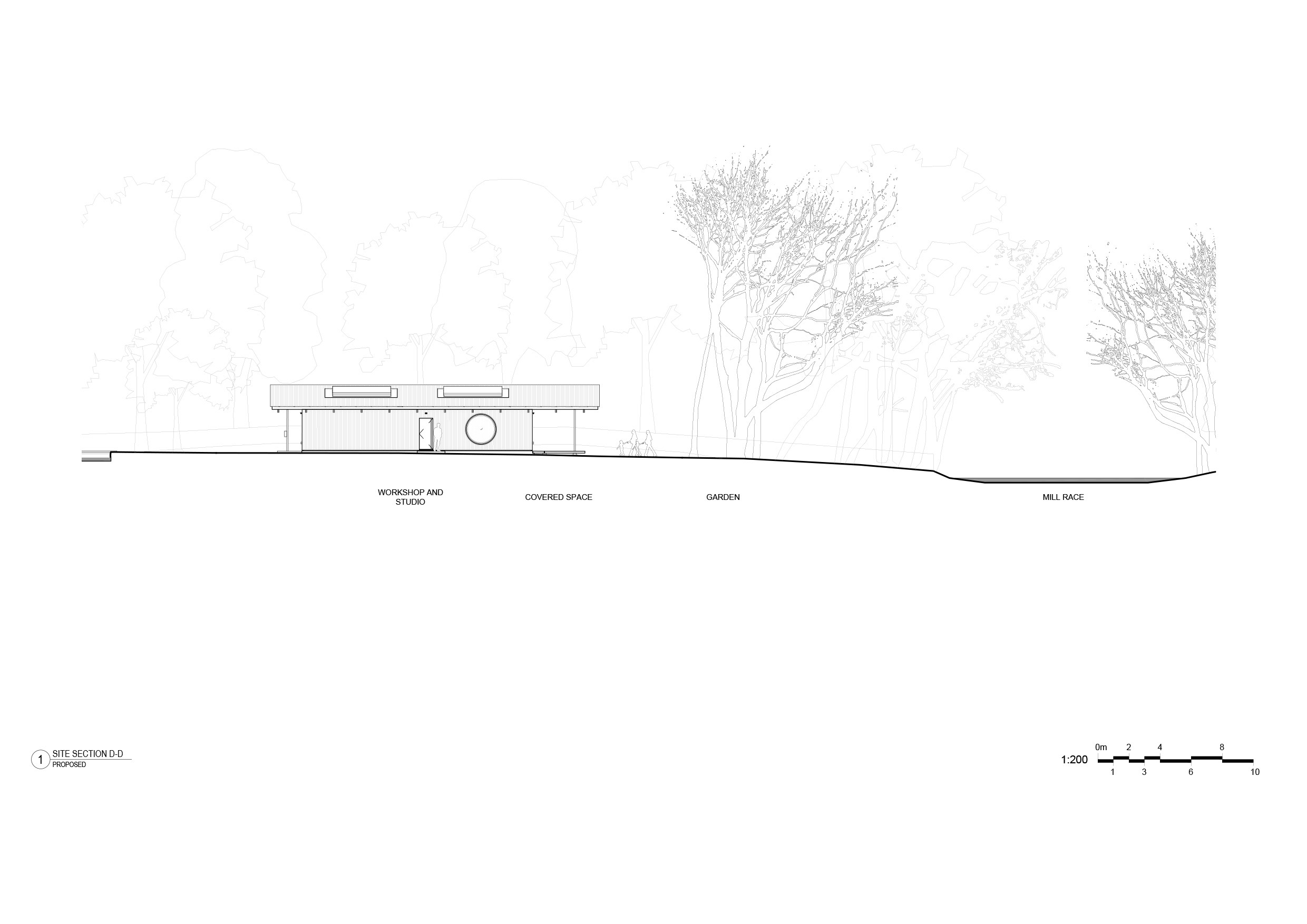
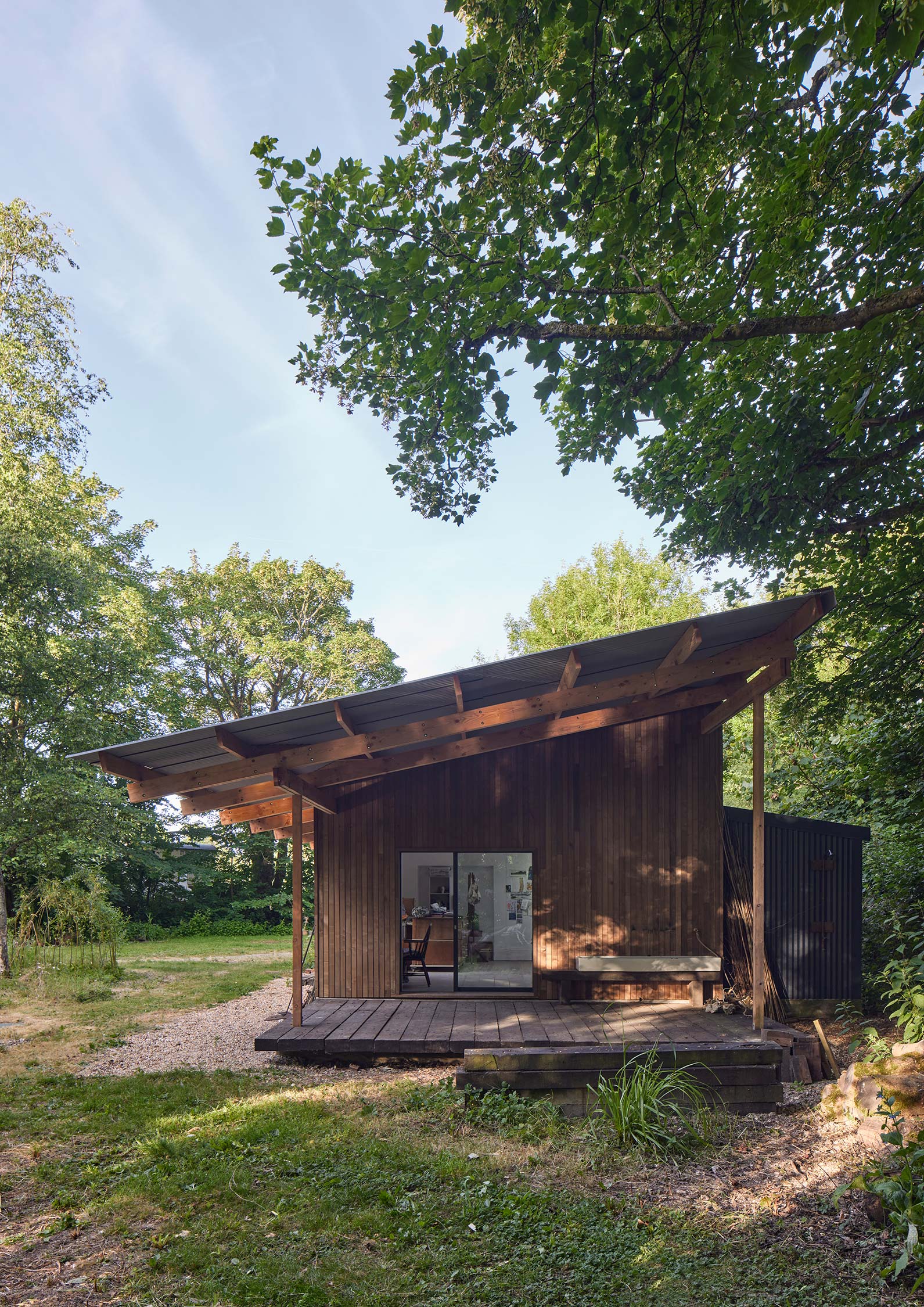
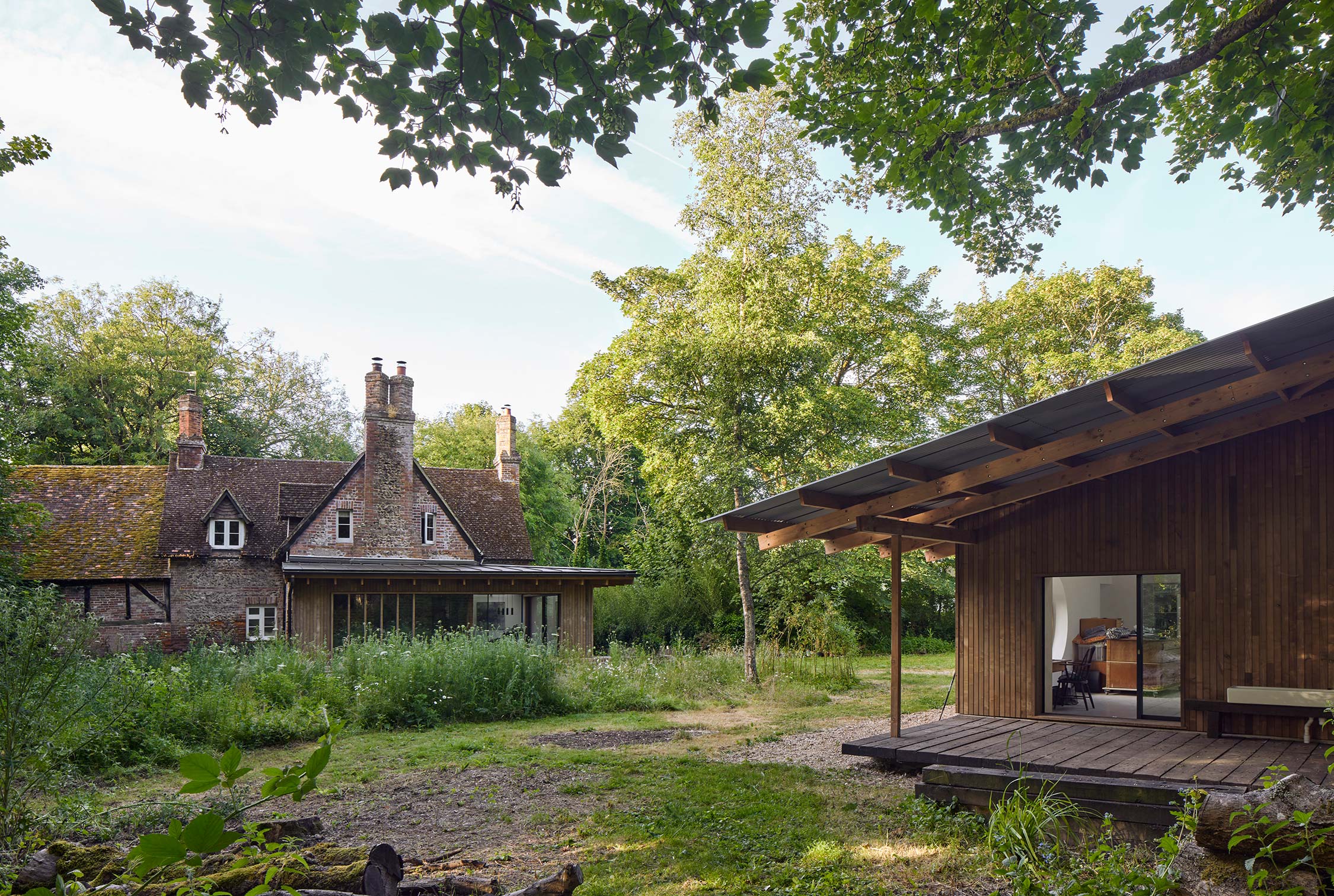
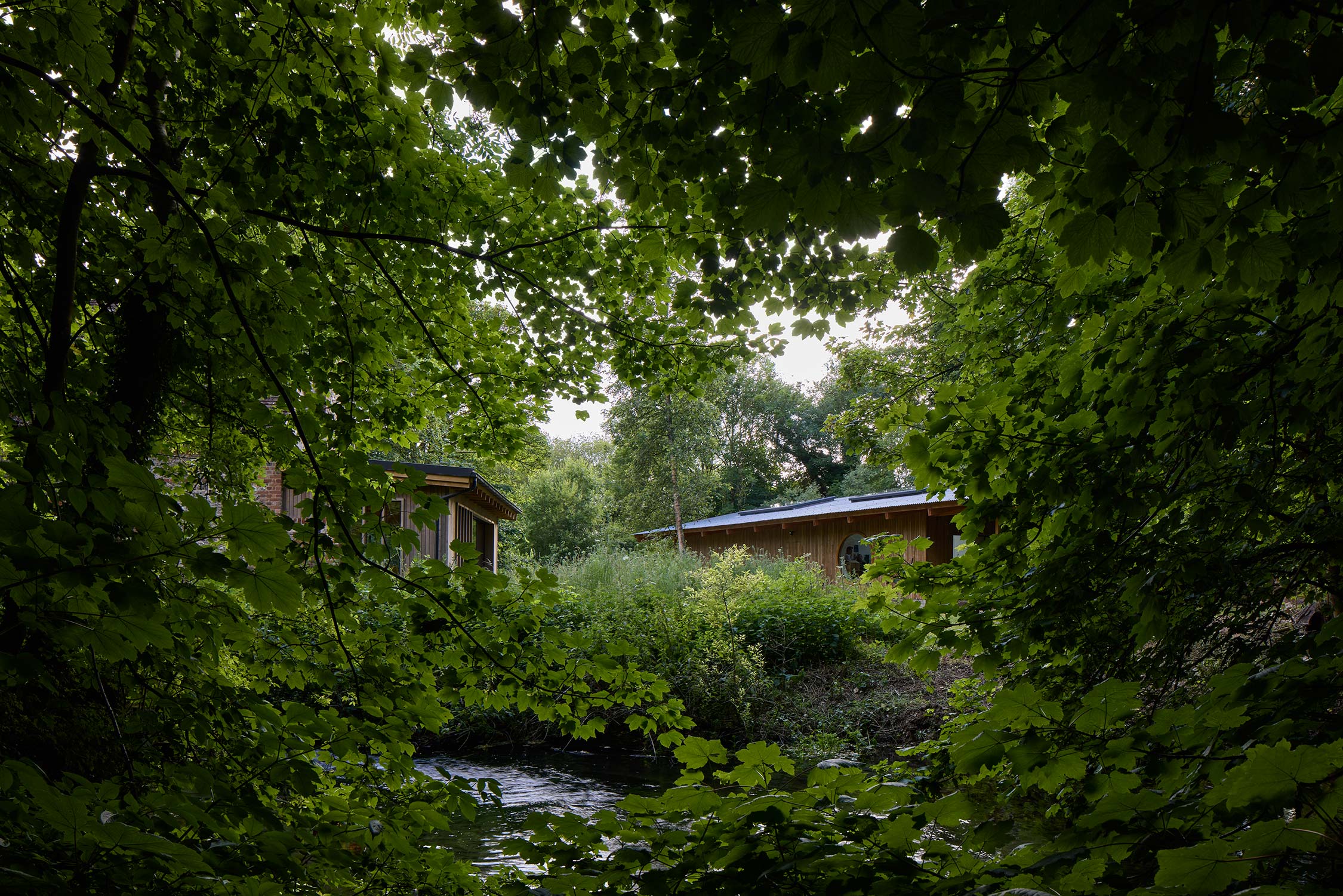
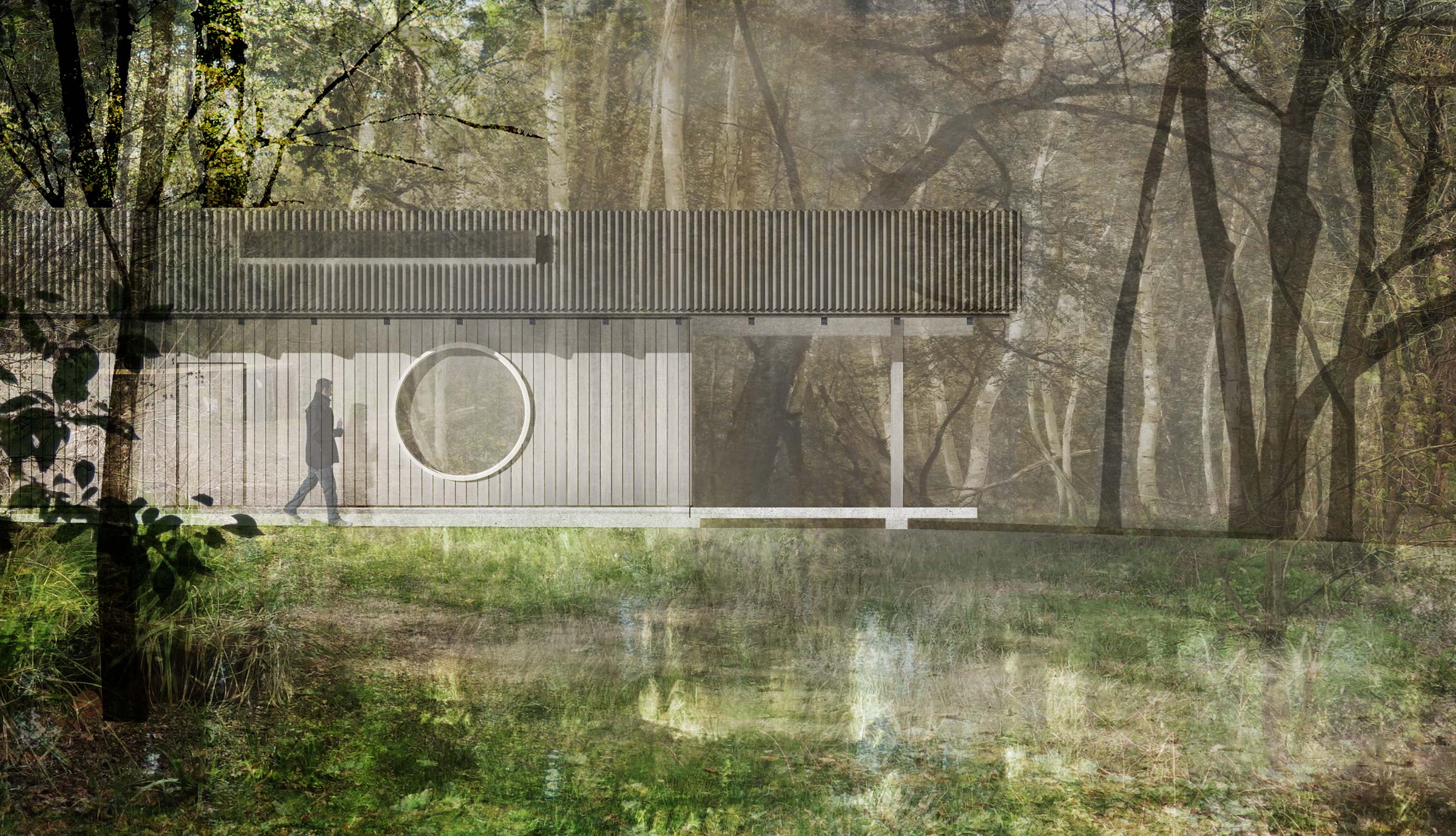
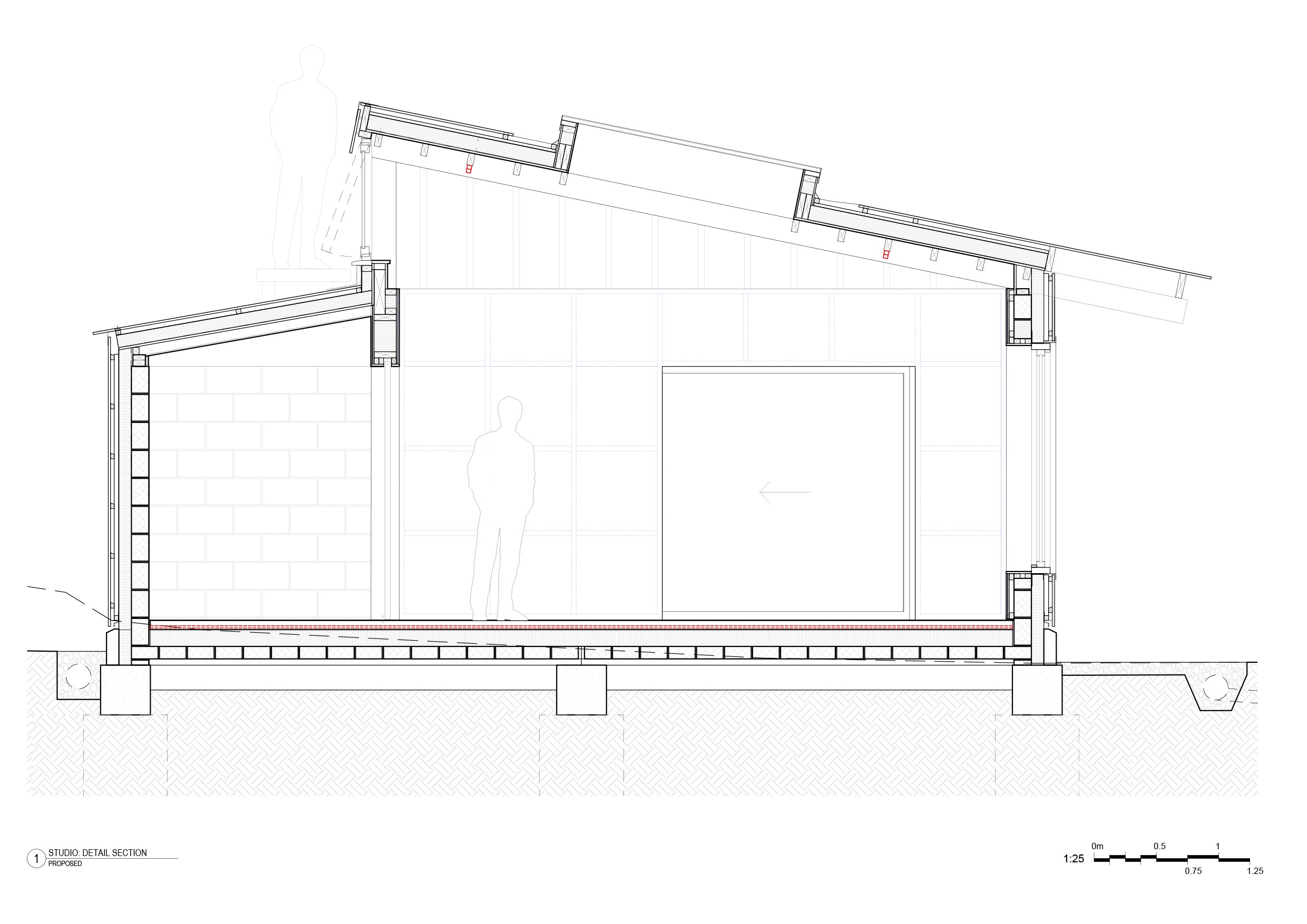
Constructed primarily in timber, the building’s simple structure is partly a response to the wooded setting and partly a response to the materiality and long plan form of the existing mill building. It reflects an ambition for low embodied energy and a design which could be constructed swiftly to minimise disruption to the sensitive ecology of the site.

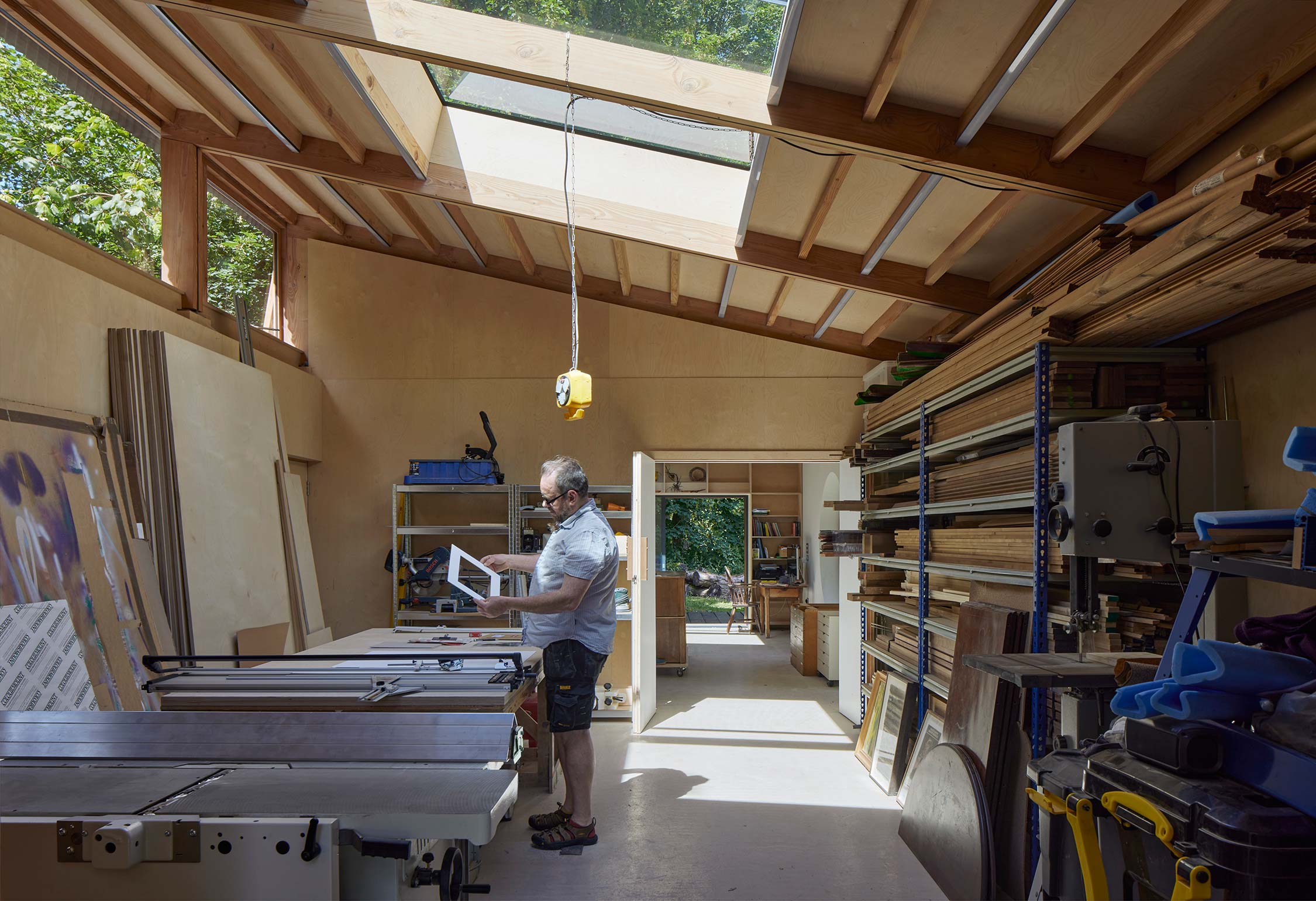
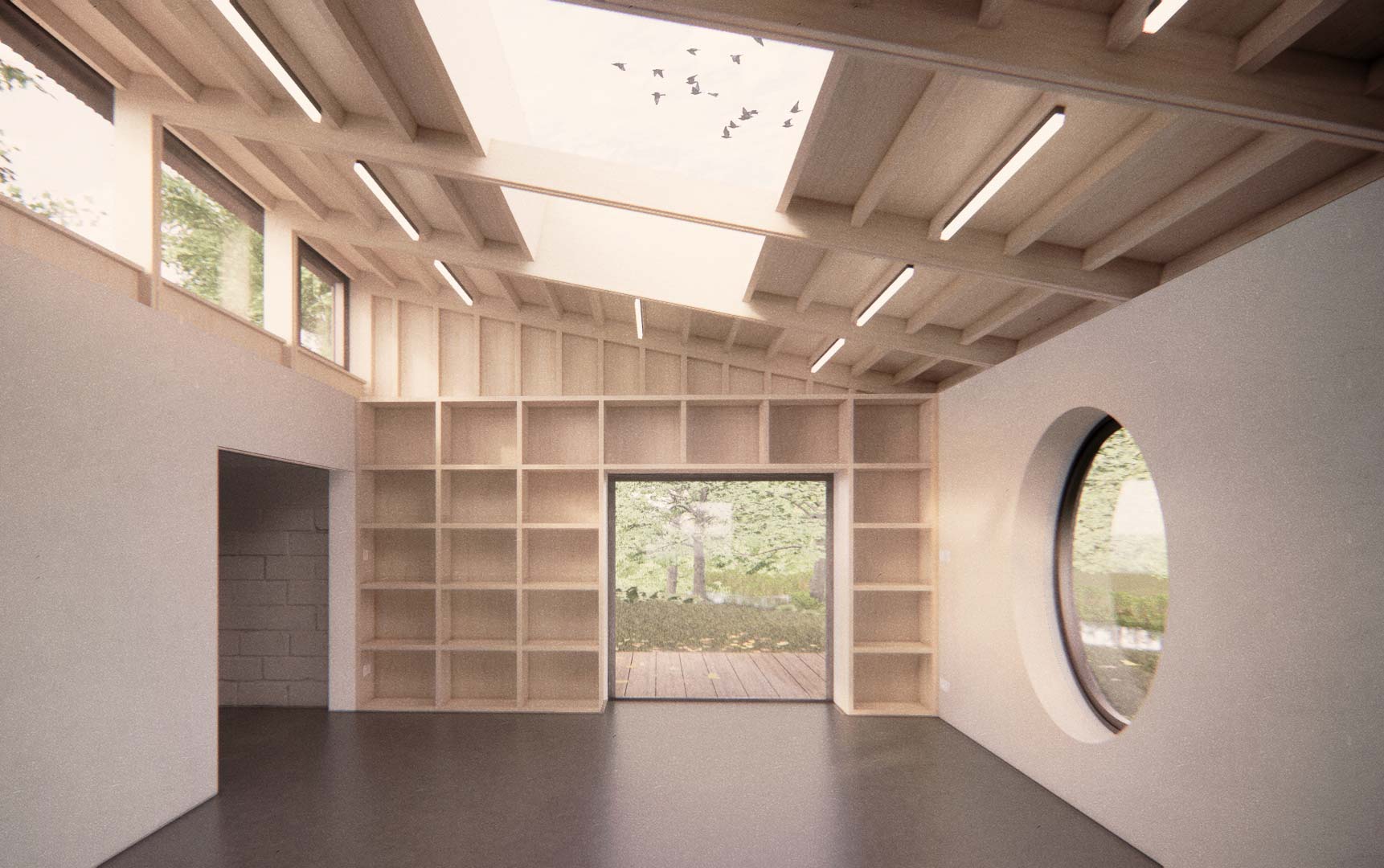
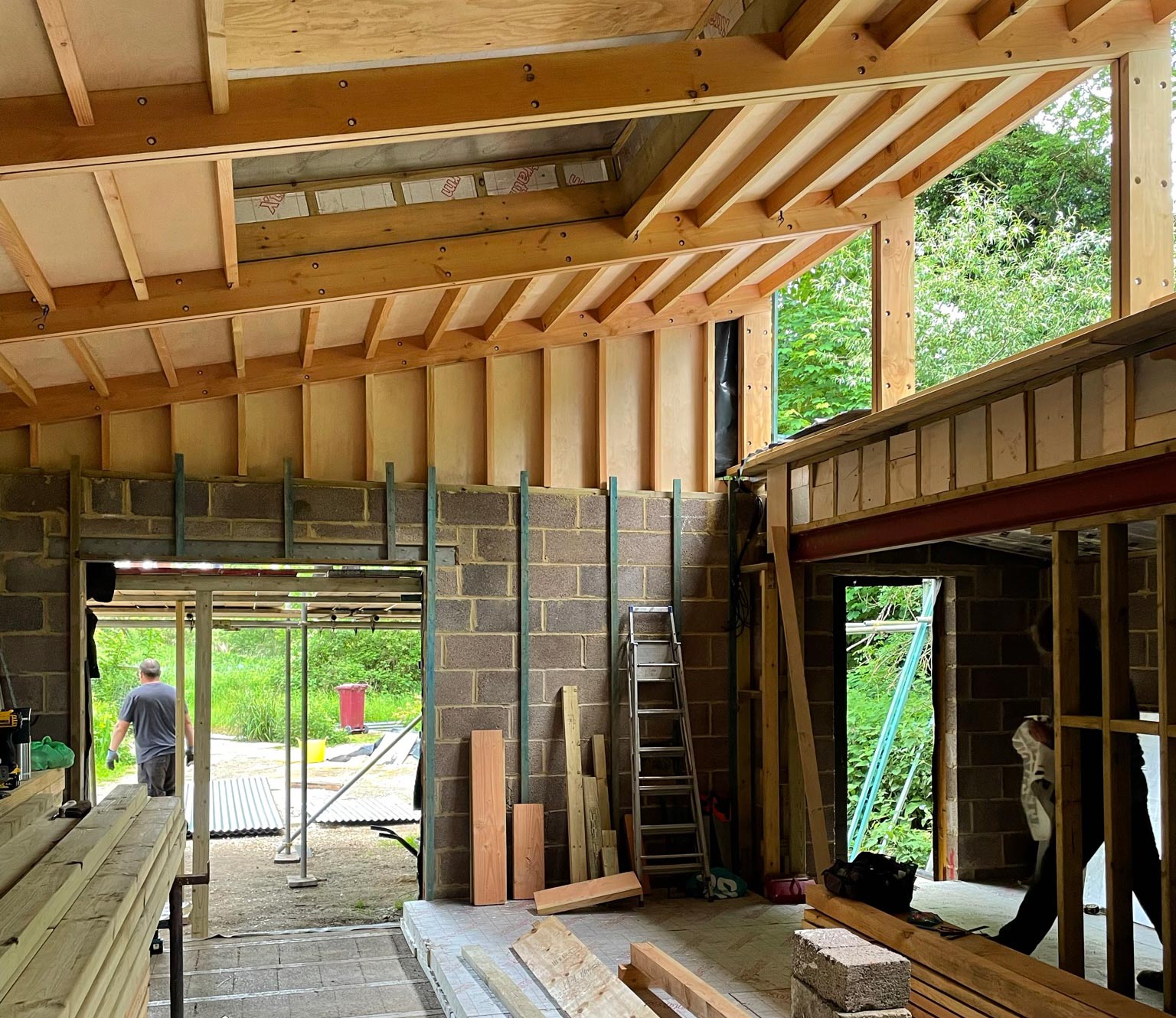
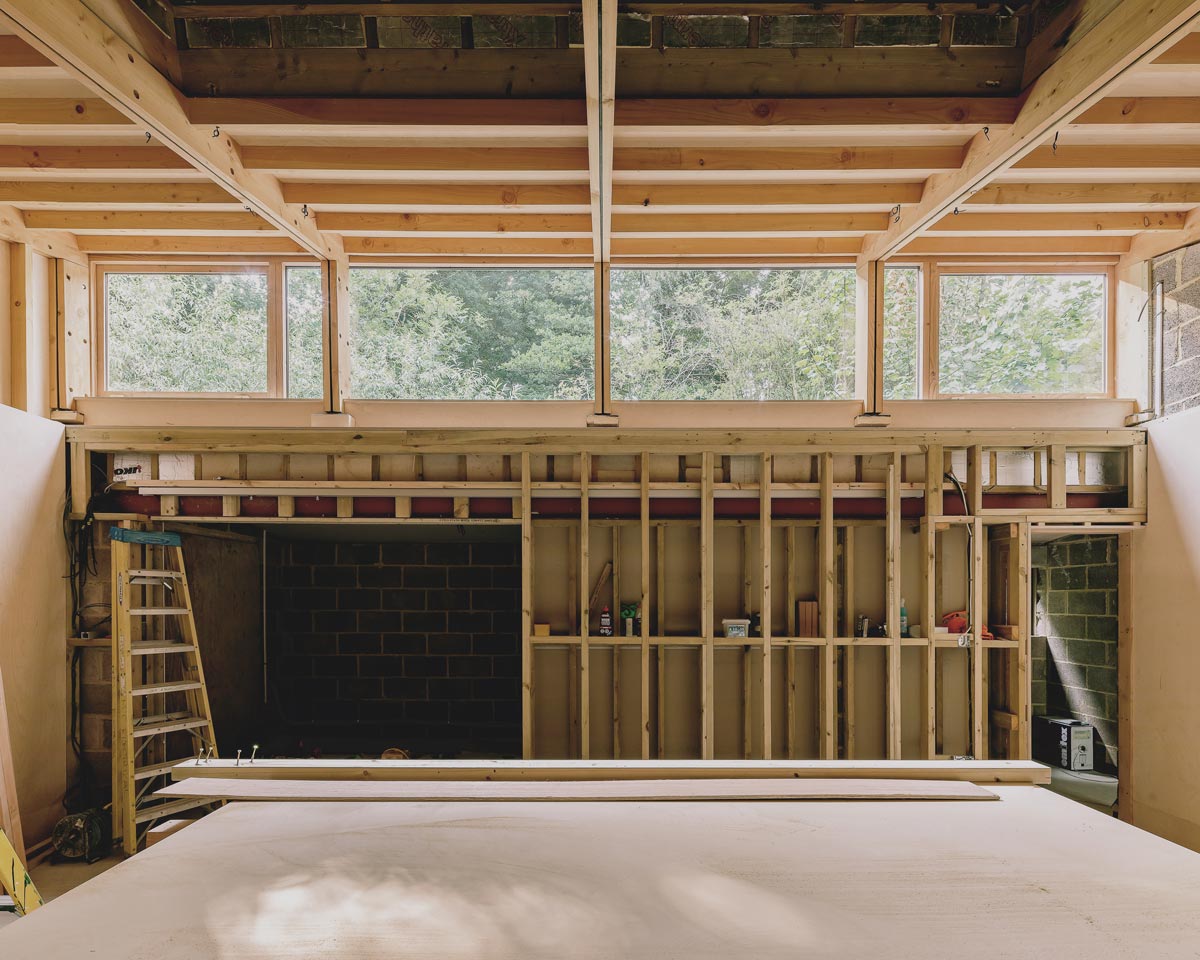
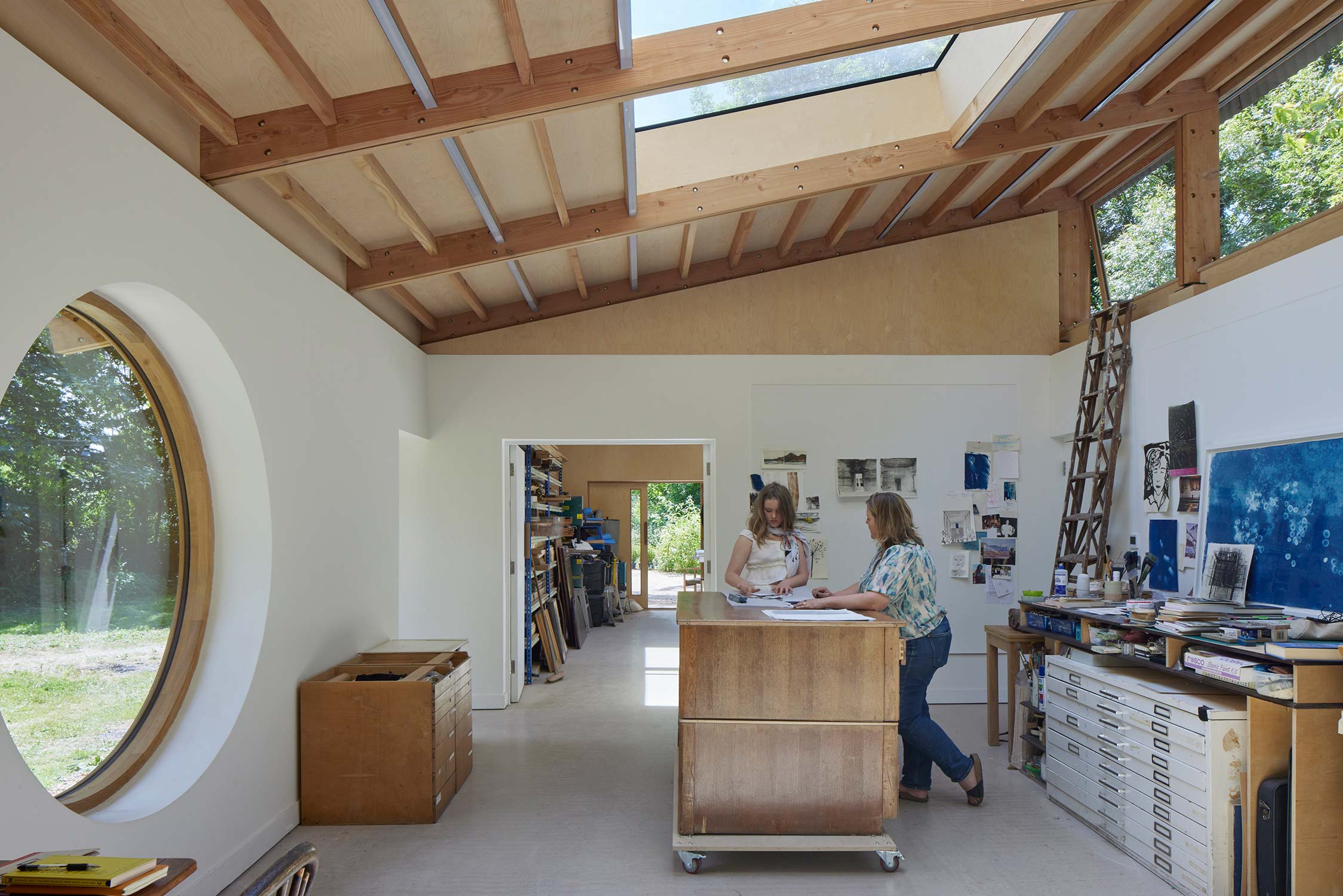
The interior design creates a robust environment which is practical, beautiful and inspiring. Material choices including plywood linings, exposed blockwork and painted concrete flooring, alongside carefully designed storage, utility, and dark room spaces support a range of creative practice within the building.

The clerestory windows, generous doors and covered outdoor areas create opportunities to work immersed in the landscape, whilst also providing key logistical features – delivery, storage, extract.

The project achieves ambitious sustainability goals through a site-wide energy strategy which includes a water-based heat pump, solar photovoltaics and rainwater harvesting.

Obtaining planning approval presented significant challenges: the existing property is listed and located on the edge of a Site of Special Scientific Interest, within Quidhampton Conservation Area. 

We consulted heritage and ecological experts, and liaised closely with conservation officers. Taking inspiration from the historic working landscape of the River Test, we proposed a utilitarian structure which reflects this history and which, through its rugged simplicity and elegance, foregrounds the aesthetic and environmental qualities of the site.

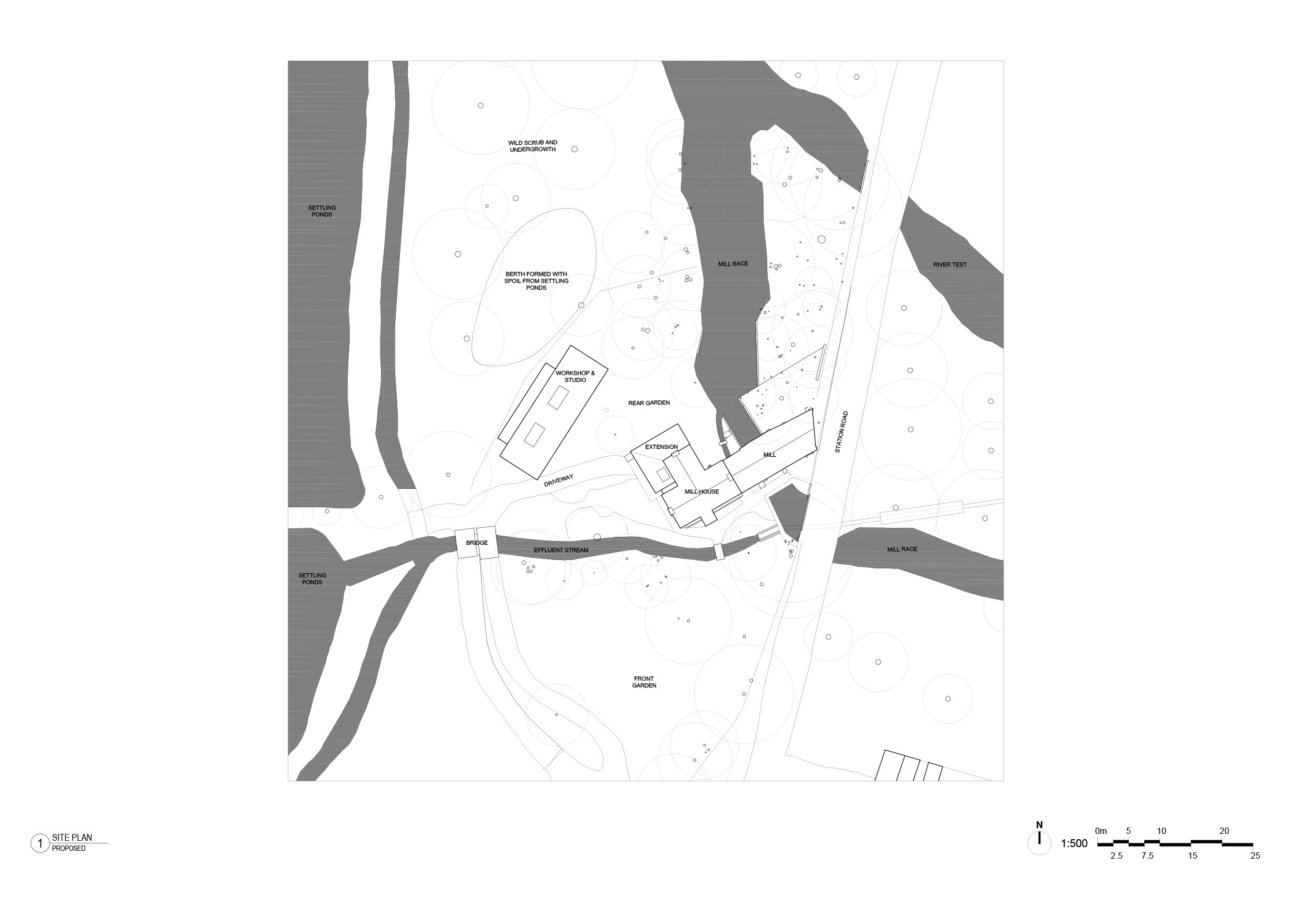
In addition to the new studio building, a modest extension to Quidhampton Mill House improves the living space onsite and re-orients the house to the garden, mill race and river beyond.
View project

This site in Hampshire was bought by our clients — an artist and a fine art frame-maker — to enable the relocation of their home and work lives from London. Our challenge: to design and build them a new artists’ studio and workshop in the setting of a 17th century, Grade II listed water mill within an ancient site on the River Test.

More text

Constructed primarily in timber, the building’s simple structure is partly a response to the wooded setting and partly a response to the materiality and long plan form of the existing mill building. It reflects an ambition for low embodied energy and a design which could be constructed swiftly to minimise disruption to the sensitive ecology of the site.

The interior design creates a robust environment which is practical, beautiful and inspiring. Material choices including plywood linings, exposed blockwork and painted concrete flooring, alongside carefully designed storage, utility, and dark room spaces support a range of creative practice within the building.

The clerestory windows, generous doors and covered outdoor areas create opportunities to work immersed in the landscape, whilst also providing key logistical features – delivery, storage, extract.

The project achieves ambitious sustainability goals through a site-wide energy strategy which includes a water-based heat pump, solar photovoltaics and rainwater harvesting.

Obtaining planning approval presented significant challenges: the existing property is listed and located on the edge of a Site of Special Scientific Interest, within Quidhampton Conservation Area. 

We consulted heritage and ecological experts, and liaised closely with conservation officers. Taking inspiration from the historic working landscape of the River Test, we proposed a utilitarian structure which reflects this history and which, through its rugged simplicity and elegance, foregrounds the aesthetic and environmental qualities of the site.

In addition to the new studio building, a modest extension to Quidhampton Mill House improves the living space onsite and re-orients the house to the garden, mill race and river beyond.
View project

This site in Hampshire was bought by our clients — an artist and a fine art frame-maker — to enable the relocation of their home and work lives from London. Our challenge: to design and build them a new artists’ studio and workshop in the setting of a 17th century, Grade II listed water mill within an ancient site on the River Test.

More text

Constructed primarily in timber, the building’s simple structure is partly a response to the wooded setting and partly a response to the materiality and long plan form of the existing mill building. It reflects an ambition for low embodied energy and a design which could be constructed swiftly to minimise disruption to the sensitive ecology of the site.

The interior design creates a robust environment which is practical, beautiful and inspiring. Material choices including plywood linings, exposed blockwork and painted concrete flooring, alongside carefully designed storage, utility, and dark room spaces support a range of creative practice within the building.

The clerestory windows, generous doors and covered outdoor areas create opportunities to work immersed in the landscape, whilst also providing key logistical features – delivery, storage, extract.

The project achieves ambitious sustainability goals through a site-wide energy strategy which includes a water-based heat pump, solar photovoltaics and rainwater harvesting.

Obtaining planning approval presented significant challenges: the existing property is listed and located on the edge of a Site of Special Scientific Interest, within Quidhampton Conservation Area. 

We consulted heritage and ecological experts, and liaised closely with conservation officers. Taking inspiration from the historic working landscape of the River Test, we proposed a utilitarian structure which reflects this history and which, through its rugged simplicity and elegance, foregrounds the aesthetic and environmental qualities of the site.

In addition to the new studio building, a modest extension to Quidhampton Mill House improves the living space onsite and re-orients the house to the garden, mill race and river beyond.
View project

This site in Hampshire was bought by our clients — an artist and a fine art frame-maker — to enable the relocation of their home and work lives from London. Our challenge: to design and build them a new artists’ studio and workshop in the setting of a 17th century, Grade II listed water mill within an ancient site on the River Test.

More text

Constructed primarily in timber, the building’s simple structure is partly a response to the wooded setting and partly a response to the materiality and long plan form of the existing mill building. It reflects an ambition for low embodied energy and a design which could be constructed swiftly to minimise disruption to the sensitive ecology of the site.

The interior design creates a robust environment which is practical, beautiful and inspiring. Material choices including plywood linings, exposed blockwork and painted concrete flooring, alongside carefully designed storage, utility, and dark room spaces support a range of creative practice within the building.

The clerestory windows, generous doors and covered outdoor areas create opportunities to work immersed in the landscape, whilst also providing key logistical features – delivery, storage, extract.

The project achieves ambitious sustainability goals through a site-wide energy strategy which includes a water-based heat pump, solar photovoltaics and rainwater harvesting.

Obtaining planning approval presented significant challenges: the existing property is listed and located on the edge of a Site of Special Scientific Interest, within Quidhampton Conservation Area. 

We consulted heritage and ecological experts, and liaised closely with conservation officers. Taking inspiration from the historic working landscape of the River Test, we proposed a utilitarian structure which reflects this history and which, through its rugged simplicity and elegance, foregrounds the aesthetic and environmental qualities of the site.

In addition to the new studio building, a modest extension to Quidhampton Mill House improves the living space onsite and re-orients the house to the garden, mill race and river beyond.

View project

This site in Hampshire was bought by our clients — an artist and a fine art frame-maker — to enable the relocation of their home and work lives from London. Our challenge: to design and build them a new artists’ studio and workshop in the setting of a 17th century, Grade II listed water mill within an ancient site on the River Test.

More text

Constructed primarily in timber, the building’s simple structure is partly a response to the wooded setting and partly a response to the materiality and long plan form of the existing mill building. It reflects an ambition for low embodied energy and a design which could be constructed swiftly to minimise disruption to the sensitive ecology of the site.

The interior design creates a robust environment which is practical, beautiful and inspiring. Material choices including plywood linings, exposed blockwork and painted concrete flooring, alongside carefully designed storage, utility, and dark room spaces support a range of creative practice within the building.

The clerestory windows, generous doors and covered outdoor areas create opportunities to work immersed in the landscape, whilst also providing key logistical features – delivery, storage, extract.

The project achieves ambitious sustainability goals through a site-wide energy strategy which includes a water-based heat pump, solar photovoltaics and rainwater harvesting.

Obtaining planning approval presented significant challenges: the existing property is listed and located on the edge of a Site of Special Scientific Interest, within Quidhampton Conservation Area. 

We consulted heritage and ecological experts, and liaised closely with conservation officers. Taking inspiration from the historic working landscape of the River Test, we proposed a utilitarian structure which reflects this history and which, through its rugged simplicity and elegance, foregrounds the aesthetic and environmental qualities of the site.

In addition to the new studio building, a modest extension to Quidhampton Mill House improves the living space onsite and re-orients the house to the garden, mill race and river beyond.

View project

Awards & Press

  • RIBA South Awards 2025 — Shortlisted link

  • Architects' Journal Small Projects 2025 — Finalist link

  • Wood Awards 2025 — Shortlisted link

  • Architects' Journal, 11 December 2024: Cooke Fawcett completes artists’ workshop by Grade II-listed water mill (Fran Williams) link

  • Conservation and Heritage Journal, February 2024: Cooke Fawcett’s Mill House and Makers’ Workshop, River Test, Hampshire link

  • Building Design, 19 December 2024: Cooke Fawcett reimagines historic mill house with new studio and workshop (Ben Flatman) link

  • Dwell+, 13 November 2024: My House: They Said Farewell to London and Moved Into a 17th-Century Water Mill (Mandi Keighran) link

  • Architecture Today, November 2024: Mill House and Makers’ Workshop link

  • Architects' Journal, 2 February 2021: Cooke Fawcett’s artists’ workshop by Grade II-listed water mill approved (Fran Williams) link

Process
Drawings
151-2.

Hampshire Makers' Workshop

Year:

2018-22

Location: Hampshire

, UK

Category:

Private

, Workspace

, Arts

Team: Oliver Cooke, Francis Fawcett, Sebastian Birch, Eden Day

Read more about how we work on arts projects.